How can you design an effective team?
Just over five years ago I was introduced to the research work of Prof. Ruth Wageman. She has studied thousands of teams and has some remarkable findings:
- Only 1 in 5 leadership teams are highly effective.
- Over 70% of a team’s effectiveness can be predicted by six conditions.
I love teams and I love research, so I quickly signed up for training with Ruth and her business partner Krister Lowe at 6 Team Conditions — and I have been using this framework with teams ever since.
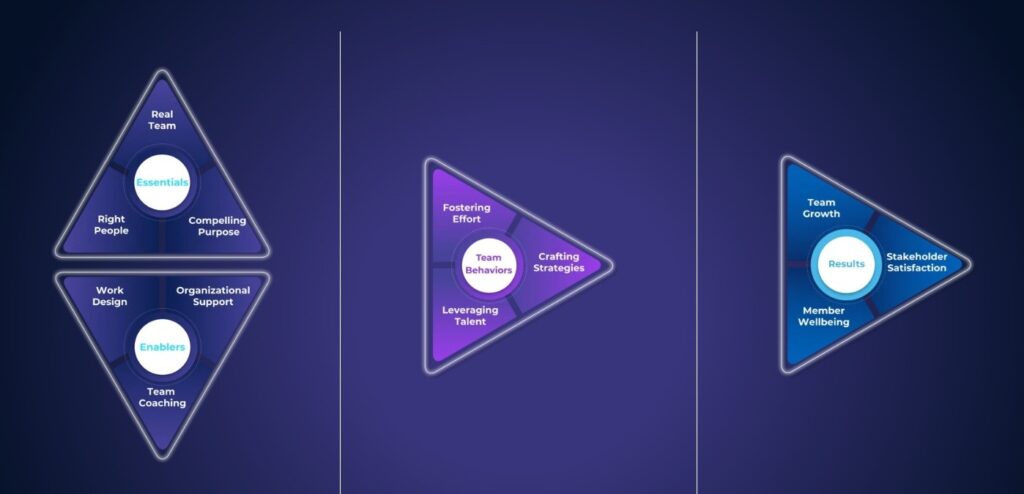
By effectiveness, Wageman looks at three outcomes:
- Performance: the team meets stakeholder expectations.
- Team Growth: the team improves its own capabilities over time.
- Member Well-being: individual well-being and learning of the team members.
This was a big eye-opener for me. So many teams I work with have such a narrow focus on performance goals — and often even that is just their own perspective of goals, not their stakeholders’. Few give enough attention to team growth or individual well-being and learning.
The Six Team Conditions
Wageman divides them into 3 Essentials and 3 Enablers.
Essentials (Designing the Team):
- Real Team: bounded, stable, and interdependent.
- Compelling Purpose: clear, challenging, and consequential.
- Right People: task skills, teamwork skills, cognitive diversity, and appropriate size.
Enablers (Supporting / Launching the Team):
- Work Design: team tasks, norms, and practices.
- Organizational Support: information systems, reward and recognition, training and education, and material resources.
- Team Coaching: availability and helpfulness of someone who knows how and when to coach the team.
When these six conditions are put in place and maintained, a team has a strong chance of becoming highly effective. Conversely, without them, the chances are slim.
Connecting to Skillful Collaboration
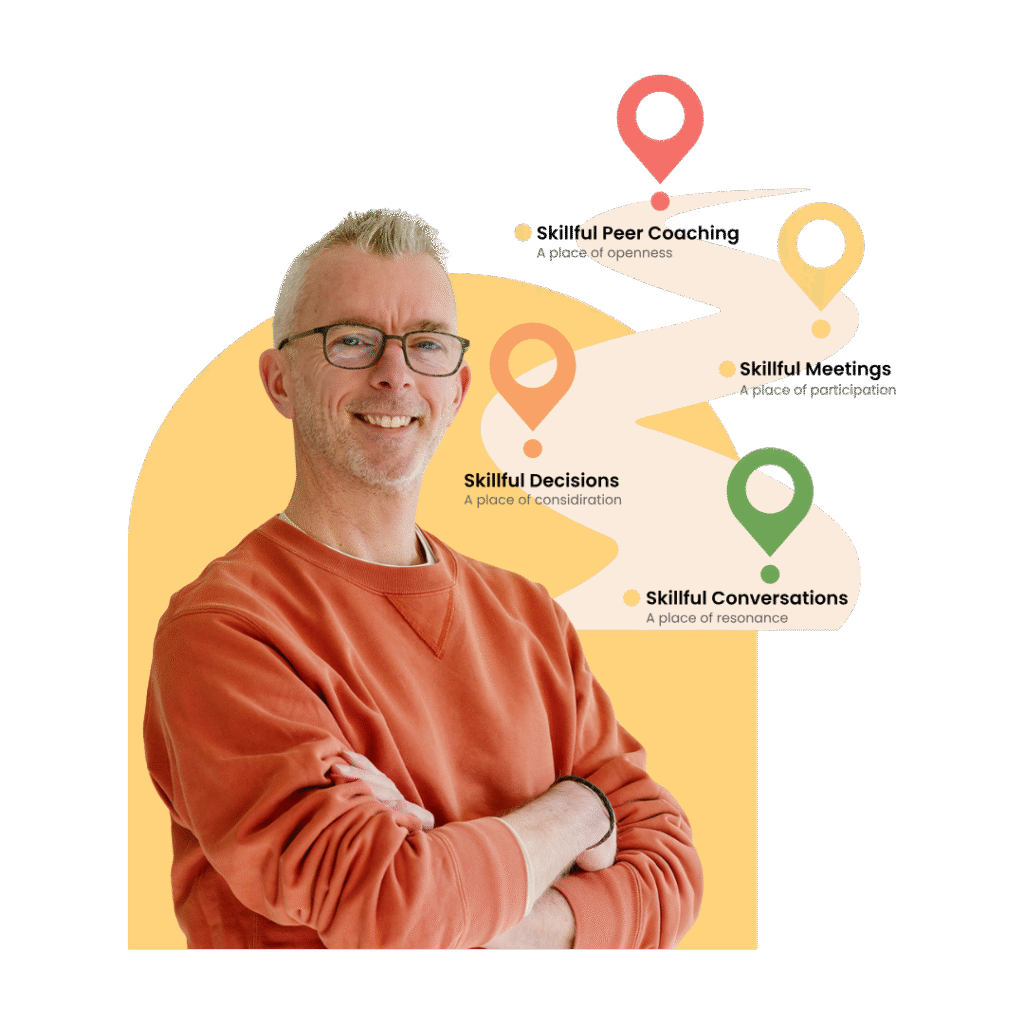
My practical experience over the past five years is that the skills of collaboration support leaders and their teams to put these six conditions in place. Even more, they increase the likelihood that the conditions will stay in place, because they align with the process part of Wageman’s model (Fostering Effort / Crafting Strategy / Leveraging Talent)
Can you imagine the opportunities for teams who establish the Six Team Conditions and grow their capabilities for Skillful Collaboration?
How do you design and enable your team to be highly effective?