I love visiting different places and different countries to taste, feel, or just experience their cultures. A friend of mine visited Taiwan this week, where I’ve never been. “Everything is fluid there,” he told me. I’ve worked in China, Japan, and South Korea, and visited Thailand, Malaysia, and Singapore in Asia too… such different places, such different peoples, such different cultures on the same enormous continent.
And what about the cultures in the “West”? Let’s try one or two words… The US are go-getters, the Brits are polite, the French have savoir-faire, the Dutch and Scandinavians are consensus builders, the Germans serious, and the Mediterranean folks passionate… South Americans? Also passionate. And Africans? Ubuntu?
Just a second… of course this is ridiculous — one or two words per country or groups of countries to define their culture. It’s not that simple.
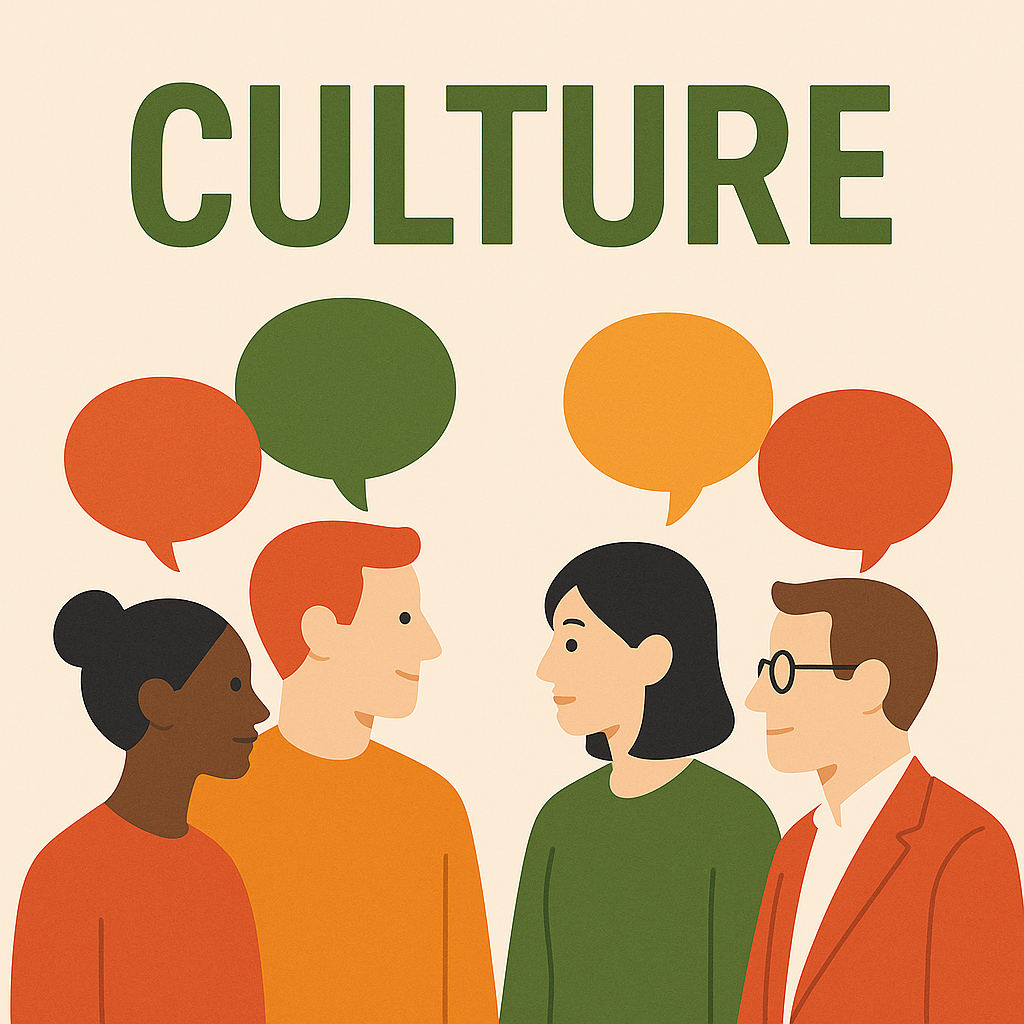
In fact, it’s difficult to grasp culture in words, just like we can’t grasp cultures in our hands. It floats in the air, where we can experience it, get a sense of it, and be curious about it.
It’s like this across different geographies around the world, and it’s like this in our organizations — whether they are global, local, or both.
Inside organizations we may have learned that culture is “the way things are done around here.” And we know it’s important, because we’ve also heard “culture eats strategy for breakfast.” And we know it’s important globally from the many brilliant books on the subject… there are too many to even mention.
Culture floats in the air and is difficult to grasp.
Maybe that’s why it’s difficult to change.
How can we change something that we can’t grasp — something that isn’t tangible?
This week I was in conversation with a colleague, and she literally bumped into the culture of a team she had previously worked with.
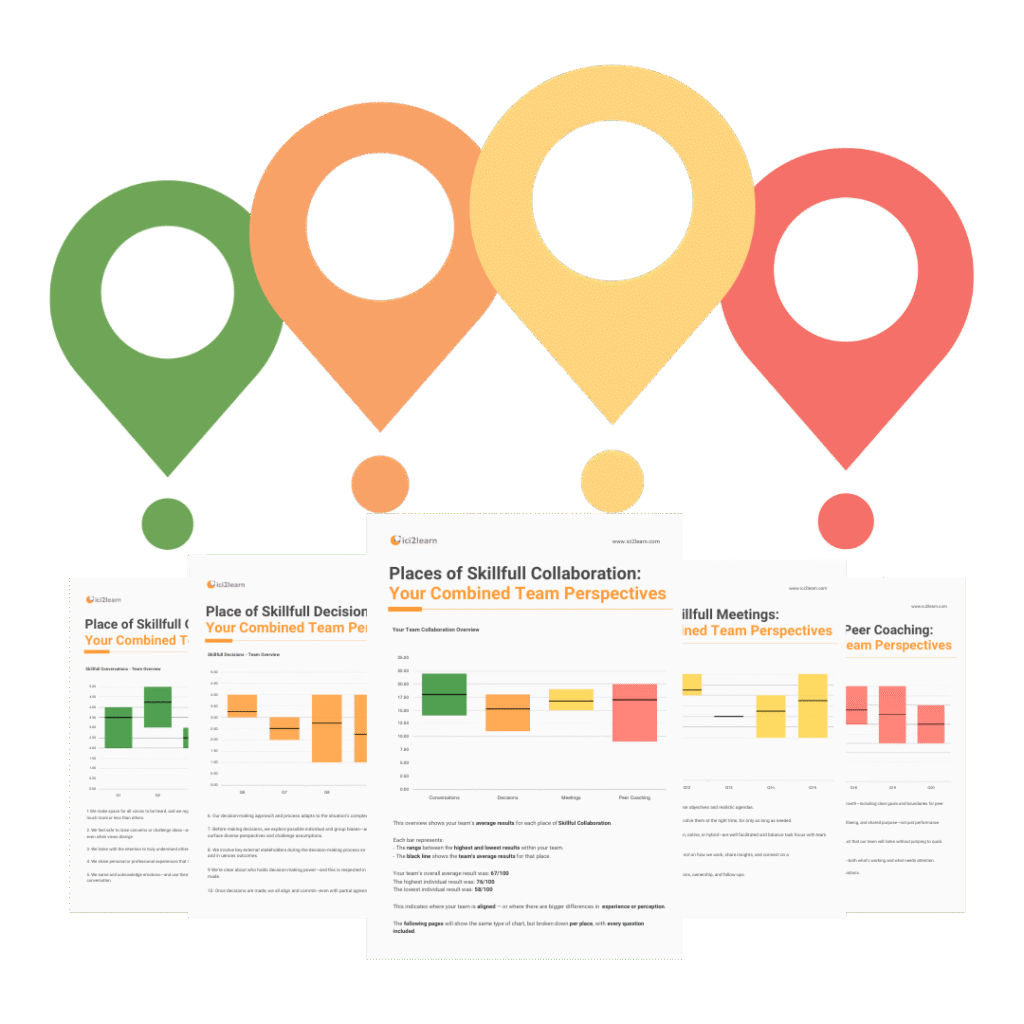
She was testing the Skillful Collaboration team assessment and scoring a team that she considered more of a group of individuals than a team. She also sensed that the organization itself was more a set of departments and individuals rather than a true “Team of Teams.”
As she scored her old team, she realised that the way the team — and in fact the wider organization — made decisions had a huge influence on the culture. For example, the team lead or department lead made decisions rather than decisions being openly discussed, debated, or dialogued in the team. The team was informed of decisions rather than involved in making them. And the decision-maker wasn’t even explicitly named… it was just “the way things were done around there.” And so it was labelled as culture, with a shrug of the shoulders: “Hmm, well let’s get on with things — we can’t change the culture…”
But then my colleague said, as she scored the assessment:
“What if the team results give us data that shows we do have some space to improve how we make decisions around here?”
That data is tangible — and could be a springboard for becoming aware of our habits, and deciding together what and how we’d like or need to change.
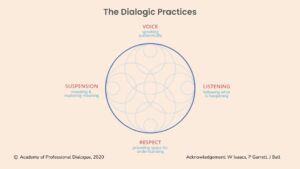
I hadn’t really thought about a direct link between Skillful Collaboration and culture before this conversation… but looking back at the data for our team, we score really high on our conversations — for example: “we listen to each other with the intention to truly understand, rather than to make our point.” That bodes well for collaboration within our teaming.
So… yes. Isn’t that cool? To think about the link between the Skillful Collaboration team assessment and team or organizational culture.
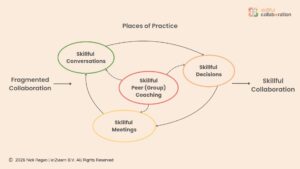
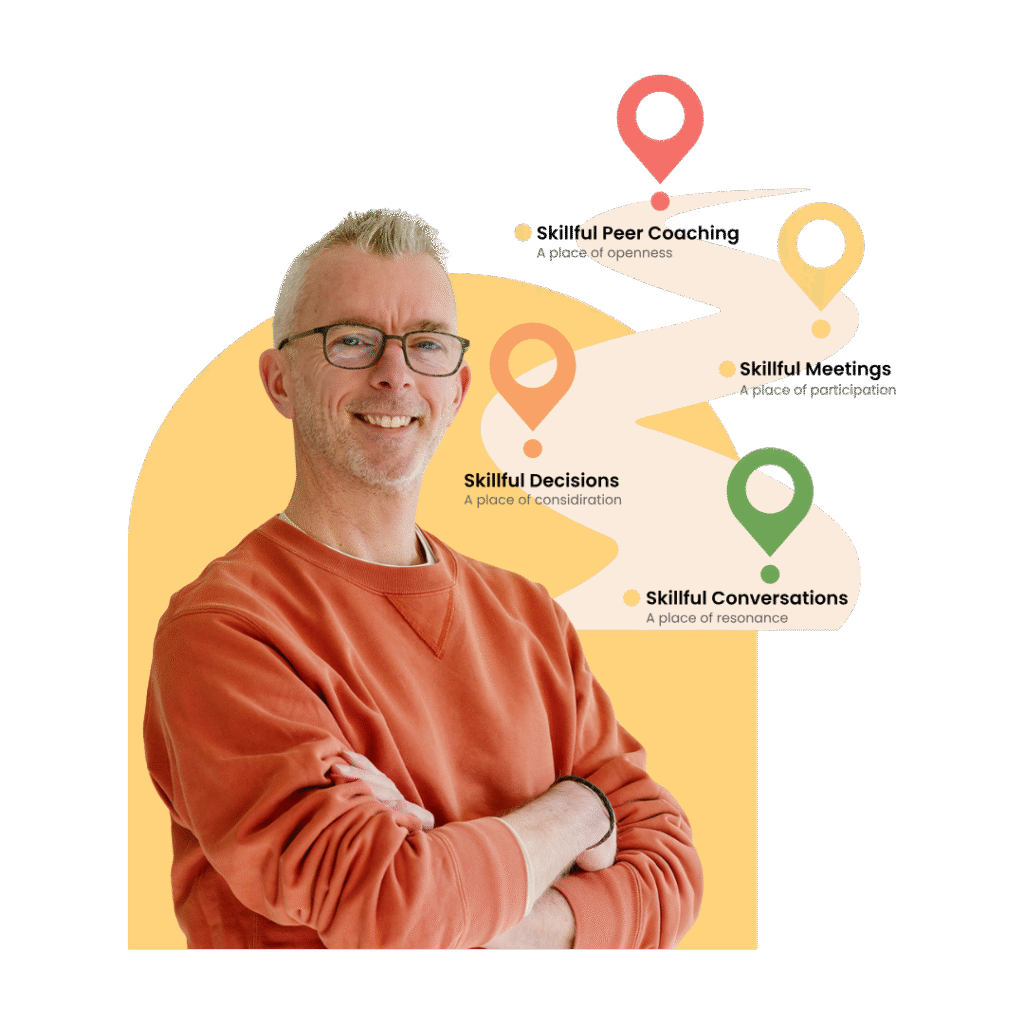
Thinking back to when I started with the Skillful Collaboration concept, I did have the idea of Creating Places of Skillful Collaboration. This does indeed speak to culture.
Imagine your workplace as:
- A place of Skillful Conversations.
- A place of Skillful Decisions.
- A place of Skillful Meetings.
- & A place of Skillful Peer Coaching.
P.S. I do understand that culture and culture change aren’t this simple… but I’m a polite English guy married to a French lady with savoir-faire… so of course I’m interested in the adventure of experiencing different cultures.
If you’re interested in taking a Skillful Collaboration lens to the culture of your team…
Here’s the free individual assessment!
Let’s connect.