How do you design your meetings to have a clear intention?
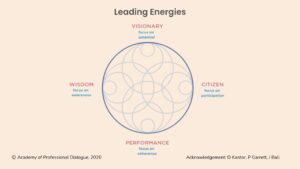
And how do you shape your agenda to consider the energy in the room?
Last week, I was preparing to facilitate a meeting with a client team in a large multinational organisation. The team has a new team leader who joined a couple of months ago from a completely different company — a small start-up in another country.
The team leader has an engineering background and is settling well in terms of understanding the technical aspects and products. But the culture of a large organisation is quite a shift for him to understand and navigate. In his previous role, he would take ownership of many details and lead by diving in and doing. In his new team and organisation, the structures and people have been together for years; they know the company and their roles very well.
There have been tensions from the team around micro-managing, and frustrations from the leader around a lack of speed and ownership.
I’ve talked with both the leader and several team members and explained that this dynamic (storming) is relatively normal when new leaders from different organisations arrive in established teams. They all recognised this too and asked me to facilitate a meeting to begin improving their ways of working together.
I designed the meeting intention as follows:
Intention: Enable the team to move towards Norming and Performing.
YES: An “organising the way we do things” conversation (Responsibility: All)
NO: A “technical/product” conversation (Responsibility: Team Leader & Engineers)
Agenda:
- Check-in: What are our individual superpowers? (15 mins)
- Top Priorities: What are our top 3 priorities? What do we need to do together in the short and medium term? Who will lead/support each priority? (60 mins)
- Commitments: What’s next? (10 mins)
- Check-out (5 mins)
In preparation, I also aligned with the team lead and three team members so there was a good consensus on the top three priorities.
As the meeting started, I ensured we were all aligned with the intention, and then we went into the check-in.
My check-in also had an intention… when people talk about their superpowers and others show interest, a positive resonance emerges. After 10 minutes of being curious about what each person is really good at, the frustrations of the last weeks seemed to ebb away. The team focused in small groups on the top three priorities.
Two of the priorities were organisational/process issues that, once explained, helped the team leader realise he didn’t need to dive into them anymore. The third priority was to make a proposal for their Team Norms.
This third one is especially important when new teams form or new leaders join. The team wrote down four behavioural norms with short explanations for each. This makes expectations explicit so the team can commit to how they want to be together — and with it written down, how they can hold each other accountable.
Each small group presented their work to the wider team and received feedback, then they aligned on next steps.
At the check-out, we used one word to summarise how the meeting felt. Words like:
Honest, Focused, Creative, Connected, and Optimistic
came up — which, incidentally, were also some of the team members’ individual superpowers.
How cool is that?
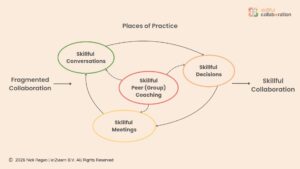
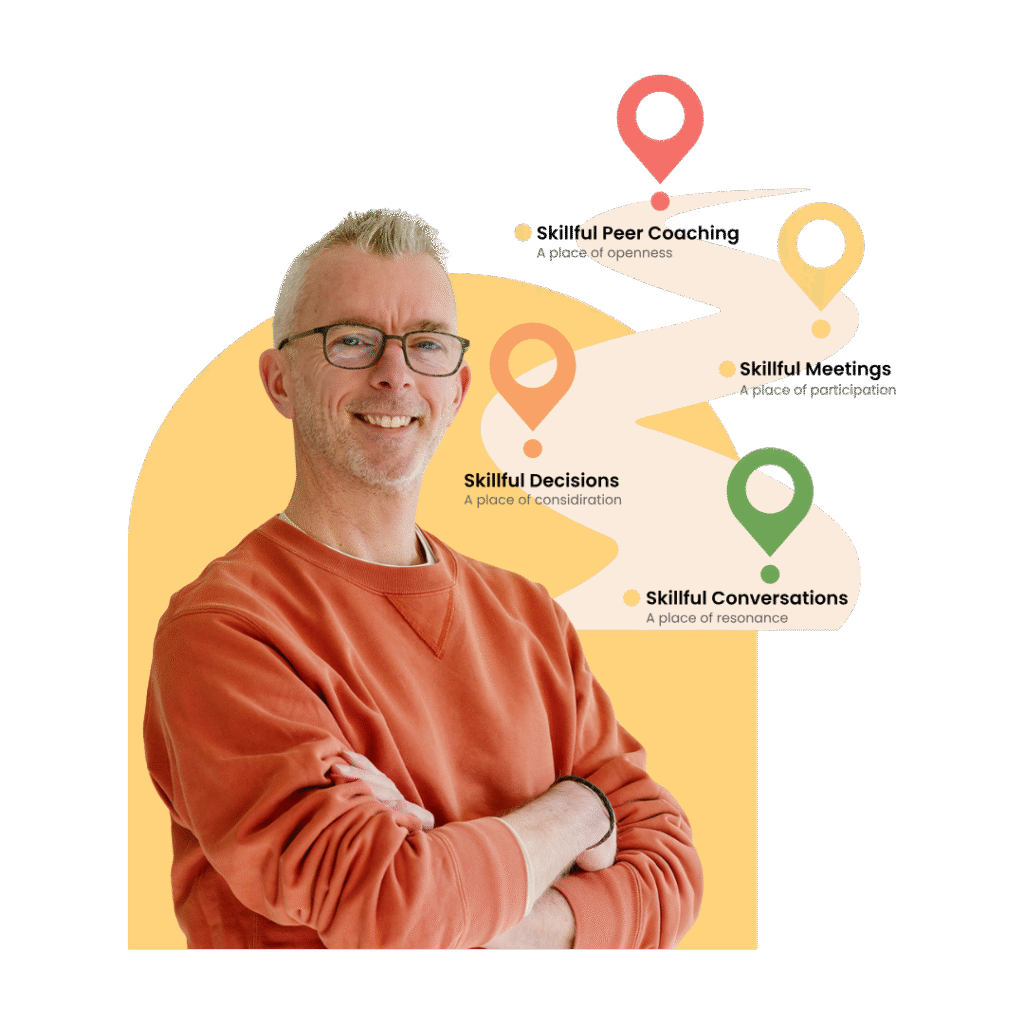
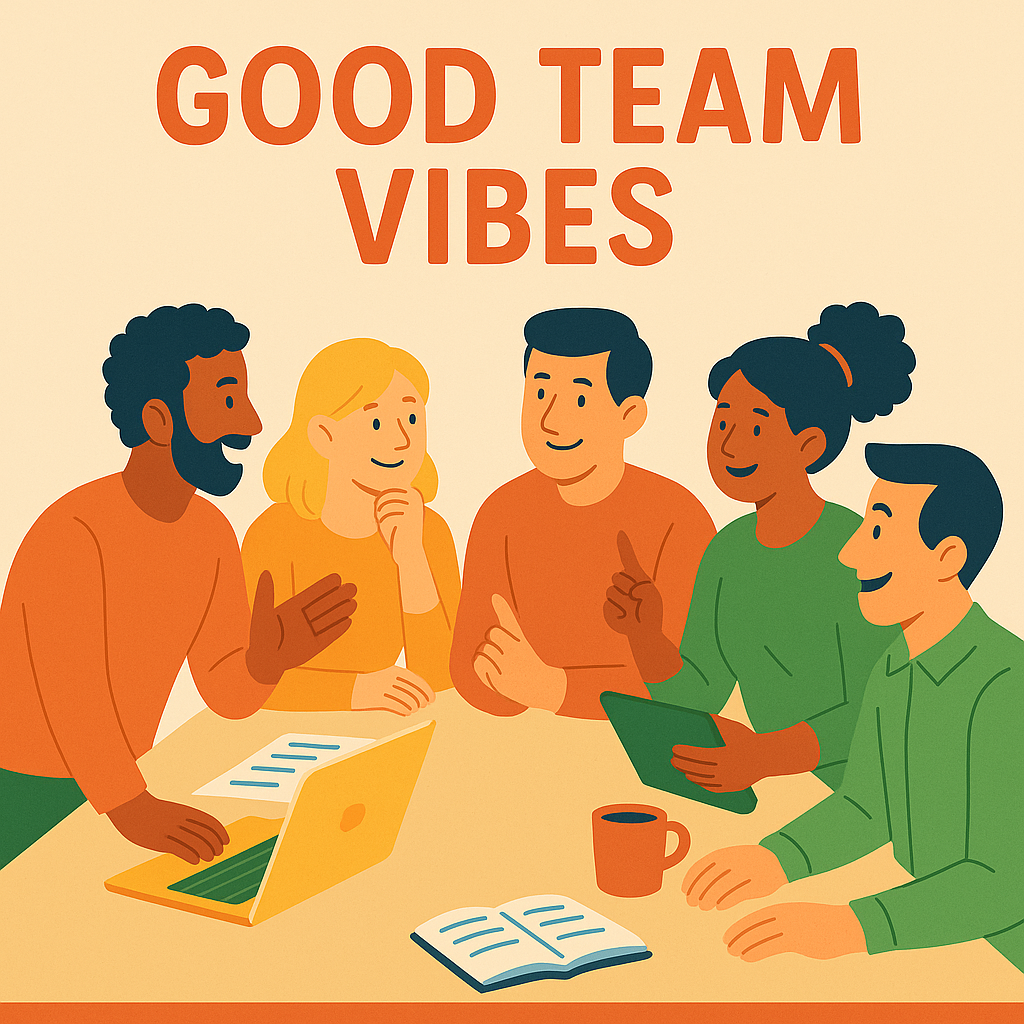
When we start a meeting with a clear intention, and shape the agenda to consider the energy in the room, we give ourselves the chance of having a Skillful Meeting and creating Good Team Vibes.