How Three Cross-Functional Teams Improved Their Meetings by Focusing on Both Tasks and Relationships
Why this Matters
Key insight from the journey:
“The biggest difference between the team meetings wasn’t what happened in the meetings. It was how the meetings were designed before they even started.”
Most team members spend a significant part of their working week in meetings. Yet many meetings are dominated by information sharing, status reporting or conversations that involve only a few of the participants. This often leaves people feeling frustrated, lacking energy, unclear whether decisions were made and sometimes wondering why they were invited in the first place.
Meetings are one of the primary places where collaboration actually happens. They are where teams make decisions, align on priorities, coordinate actions and build relationships.
This case study explores what three cross-functional teams discovered when they examined their meeting practices through the lens of Skillful Collaboration.
Challenge
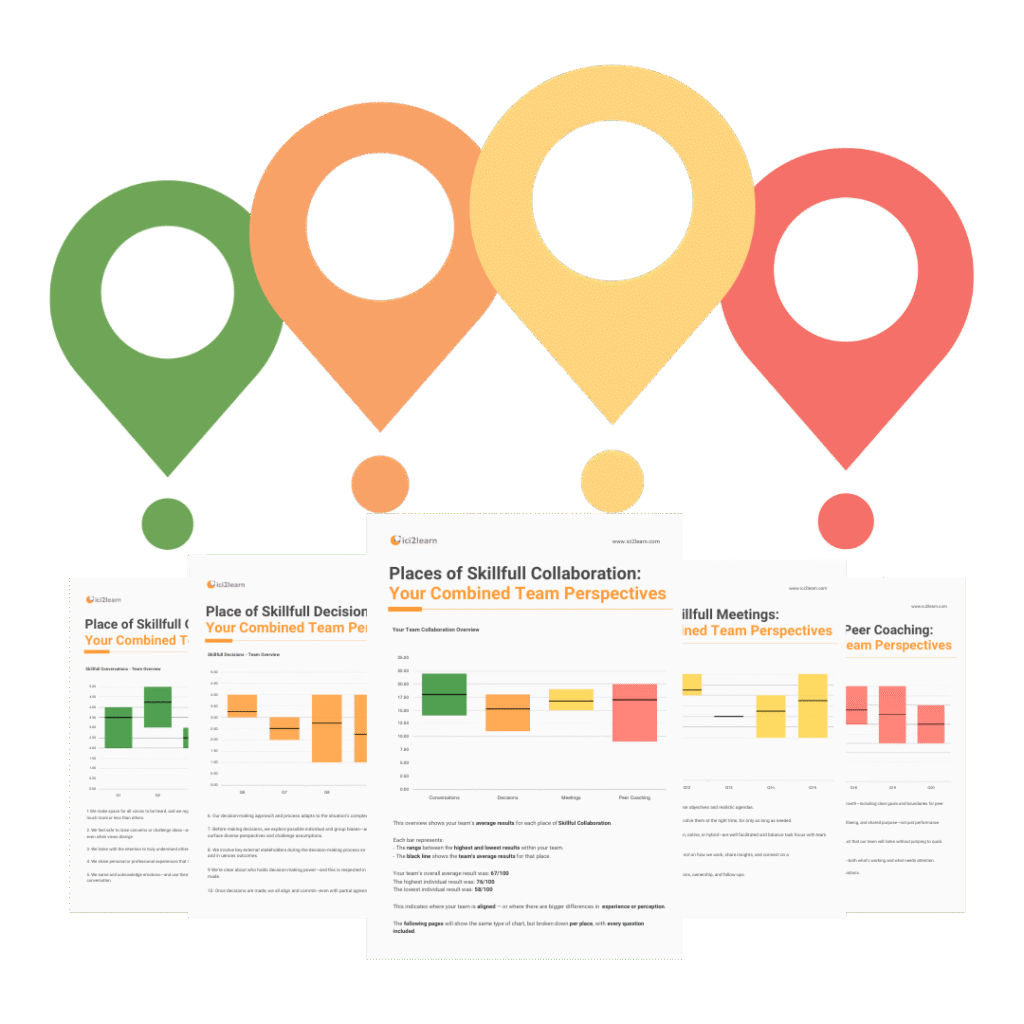
Three cross-functional teams completed the Skillful Collaboration Team Assessment as part of a broader team development journey. When reviewing the results, one pattern immediately stood out. One of the teams scored significantly higher on Skillful Meetings than the other two teams.
This created an interesting question:
What was this team doing differently, and what could the other teams learn from them?
At the same time, all three teams identified opportunities to improve how they used meetings to support collaboration.
While team members generally felt meetings helped them progress work and coordinate activities, the lowest scores across all three teams related to reflecting on how they worked together and making space for the relational side of collaboration.
In other words, teams were spending plenty of time discussing the work itself, but far less time reflecting on how they worked together and how they could improve their collaboration together.
Approach
Rather than focusing on meeting efficiency alone, the teams explored what makes a meeting truly collaborative.
Together, we reflected on questions such as:
- Why are we meeting?
- What decisions need to be made?
- Who really needs to be in the room?
- What outcome are we trying to achieve?
- What contribution is expected from each participant?
One of the key insights was that effective meetings begin long before the meeting starts. The stronger team appeared to be more intentional and collective about meeting design. There was greater clarity around priorities, clearer expectations for participation and more thought given to who needed to be involved and why.
This led all three teams to pay more attention to:
- Clarifying the purpose of meetings
- Aligning on priorities and desired outcomes
- Being intentional about invitations
- Creating ownership for decisions and actions
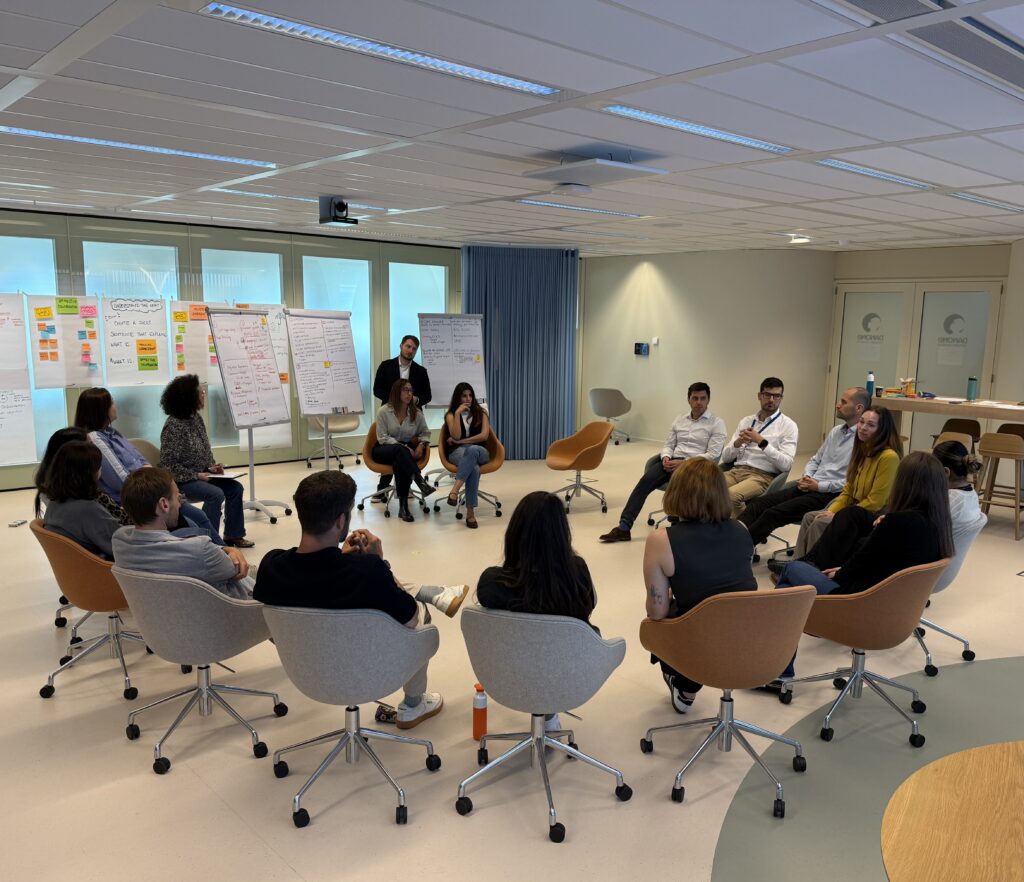
During the workshops, the teams not only designed future meetings, they also held live meetings together. This allowed them to experiment with new approaches in real time while receiving support and feedback from a coach and facilitator.
During these meetings, the teams learned to “step onto the balcony” and have peer coaching conversations about their live team dynamics.
Questions included:
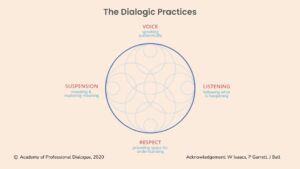
- Whose voices were heard?
- Where did we listen well and commit to our decisions?
- What perspectives were missing?
- How effectively did we challenge and build on each other’s thinking?
- What emotions were we experiencing?
- What would make our next conversation even better?
These short reflections helped teams become more aware of how they were collaborating, not just the content but also the personal experiences and the process flow of the meeting.
Reflections
One of the biggest insights from the workshops was that meetings are not only places to share information and report progress. They are also places where teams learn how to work together through making decisions, working on real tasks and coordinating the next steps together.
The strongest team did not simply have better agendas or more efficient meetings. They were more intentional about how meetings were designed and experienced.
The journey also highlighted a common blind spot across all three teams. Teams are generally comfortable reviewing actions, deadlines and deliverables, but they rarely reflect on the quality of their conversations, the level of participation in the room or the health of their working relationships.
By creating space for peer coaching and reflection conversations, teams began to see meetings as opportunities for learning as well as execution.
Outcomes
The teams developed a shared understanding that meeting effectiveness is about more than managing agendas and actions. It involves creating the conditions for people to contribute, challenge, listen, decide and learn together.
By becoming more intentional about meeting design, teams improved clarity around priorities, participation and ownership. And by introducing regular reflection on their conversational dynamics, they also strengthened awareness of how they worked together as a team.
Teams left with practical meeting design principles, clearer expectations for participation and a simple reflection process that they could immediately apply in their regular team meetings. Perhaps most importantly, the teams discovered that effective meetings need to focus on both the task and the relationship. Because when people are aligned on what matters and connected in how they work together, meetings become places where collaboration can thrive.
What Made the Difference?
Many teams treat meetings as habitual calendar events. Starting with the team assessment results, these teams began treating and designing meetings as one of the most important places where collaboration happens and where they could improve how they work together.
That shift in mindset changed the quality of the conversations, the decisions being made and the experience of working together.
The result was not simply better meetings. It was stronger collaboration.
This case illustrates a core principle of Skillful Collaboration:
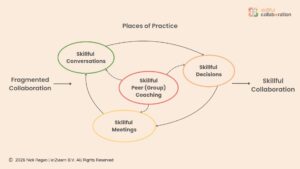
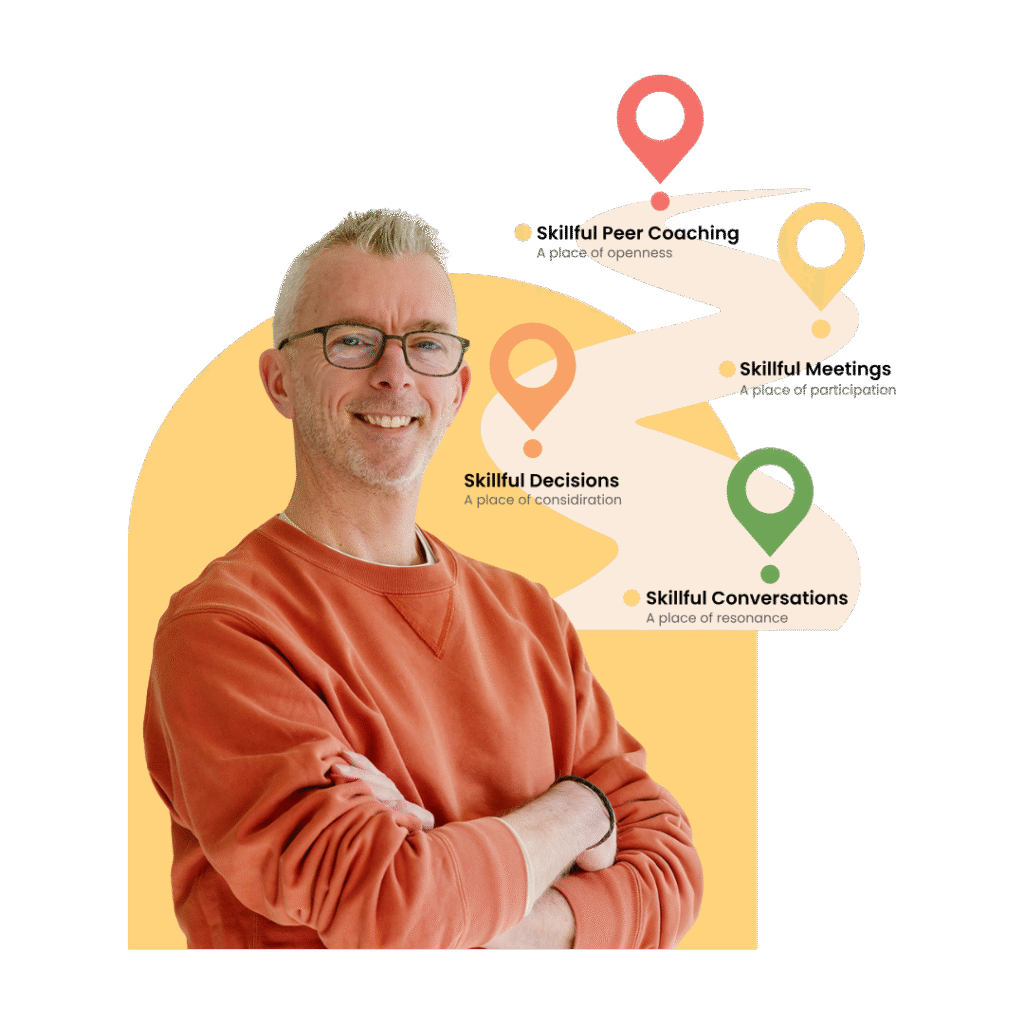
Team meetings when designed skillfully can become places to practice skillful decision making and skillful peer (group) coaching. This creates value in terms of the effectiveness of the meeting, closer relational connection and continuous improvement for both team performance and learning.
Testimonials:
“The team assessment debrief ensured everyone was on the same page about where to focus, which is crucial for collaboration. Most valuable was carving out time to reflect on what works and what to improve in our team and across the teams —in an inclusive, non-judgmental way.’’