When working with teams, I often wear different hats — coach, facilitator, trainer. Shifting skillfully between these roles is essential to support a team’s development. Equally essential is to meet the team where they are.
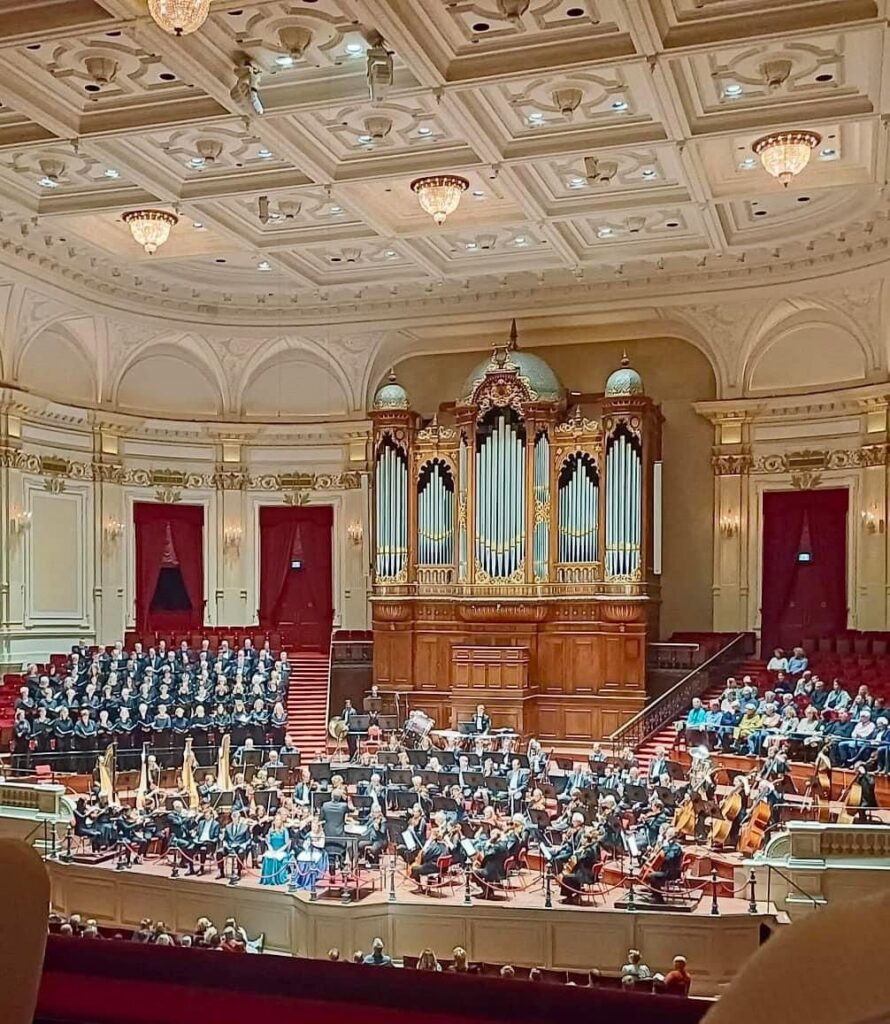
I often think of it like being a conductor of an orchestra — guiding and supporting the musicians while also helping them learn, adapt, and create a beautiful concert together.
If I arrive in trainer mode with new ‘content’ when the team actually needs deeper connection — space for reflection and coaching — then an opportunity is missed.
And if I start in coaching mode, holding up a mirror to team dynamics, when the team urgently needs to make progress and a facilitation stance would help them move forward, then that’s another missed opportunity.
The art is knowing when to shift hats — and feeling comfortable doing so.
One hat I try to avoid is that of the consultant. After 30 years of working with teams, I could consult — but I rarely do. I truly believe teams understand their context better than I ever can. My role is to help them find their own way forward through coaching, facilitation, and training.
Meeting teams where they are is fascinating. In corporate life, it nearly always means working on the task.
One of the first questions I ask teams is:
“Which tasks do you actually work on interdependently?”
Because interdependence is what truly differentiates a team from a group.
This simple question often leads to an uncomfortable — and valuable — conversation:
What do we actually do together?
What do we actually collaborate on?
In organizational psychology, social scientists often describe collaboration with two dimensions:
- Goal interdependence — sharing a common objective.
- Task interdependence — depending on one another to carry out the work.
In my experience, most teams have a sense of their goals, but few have explicitly written down their shared goals. Doing so can be incredibly clarifying. Without shared goals, each person follows their own interpretation — which leads to misalignment, inefficiency, and sometimes tension.
As for task interdependence, I often see teams with long RASCI charts — pages of letters describing who is Responsible, Accountable, Supporting, Consulting, or Informed. Instead of getting lost in those, it can be more powerful to ask:
“Which tasks would create the most value for our stakeholders if we worked on them together?”
When teams explore these questions, I might offer a framework — for instance, Wageman’s Six Team Conditions for Highly Effective Teams — and then facilitate a dialogue or another process that brings out every voice. I also contract with teams that I may pause the process to share a coaching observation when it serves their learning.
So when exploring shared goals and interdependent tasks — the foundation of collaboration — I draw on these 3 hats: trainer, facilitator, and coach.
Because in the end, can you imagine an orchestra that didn’t work skillfully and interdependently?
What kind of music are your teams — and your organization — creating?