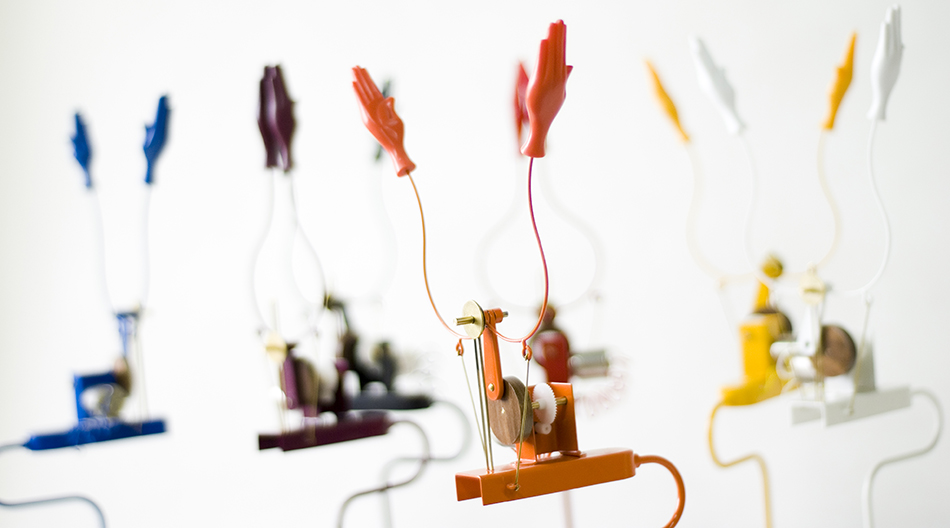
In 2003, Elsa and I got married in Paris. We had lots of family and friends who came to the town hall for the ceremony and to our party on the outskirts of the city. We have so many memories from the day, and one of my favourite moments was receiving an Applause Machine as a gift from my childhood/best friend, Martin Smith.
He created the first one in the 90s in his workshop, where he worked alone as a way of celebrating when he had a good idea or did something well. It’s beautifully crafted and hilarious! I love to see the reaction of people when I show it to them — and of course when they give themselves applause!
The Applause Machine has pride of place on one of my bookshelves, and visitors constantly ask, all those years ago… “Where can I get one?”
So many asked, in fact, that it sparked an idea:
Nick: “Hey Martin, shall we work together to develop a range of Applause Machines?”
Martin: “OK, that sounds like fun.”
And so Laikingland was born. Laik means “to play” in the area of West Yorkshire where we grew up, and we’ve been playing on and off (alongside our day jobs — Martin an artist and me an engineer turned L&D specialist turned coach/team coach) through the years ever since.
Here is the theme of the business: Laikingland is a creative collaboration who design and manufacture beautifully crafted kinetic objects that engage and evoke a sense of play and nostalgia.
We’ve partnered with some amazing artists (alongside Martin) through the years, developed a trusted supply chain, exhibited at leading design exhibitions, and sold our objects to many of the world’s best design stores and museums.
We’ve decided when to collaborate and when to work independently, and we know each other’s skills and strengths so well that it has become second nature to know who leads the different parts of the business.
These days, we are doing far more of our “day jobs,” but our creative collaboration continues, and sales keep going out to customers all over the world.
Looking back, I think the biggest thing I’ve learnt about collaboration is who to collaborate with — and who to say “No” to. Working with Martin was an easy yes for both of us, but we’ve had a few big disagreements through the years with some potential projects and partners. So when to say Yes and when to say No to collaboration is my biggest learning.
And our No’s at Laikingland were often when we didn’t see our role in the creativity of a project. When we were “just” asked to develop a product rather than co-create, then we said No.
And of course, we can celebrate a “No” by getting some applause — as it allowed us more time for other projects where we could bring our creativity.
Saying No is a big part of creative and skillful collaborations.
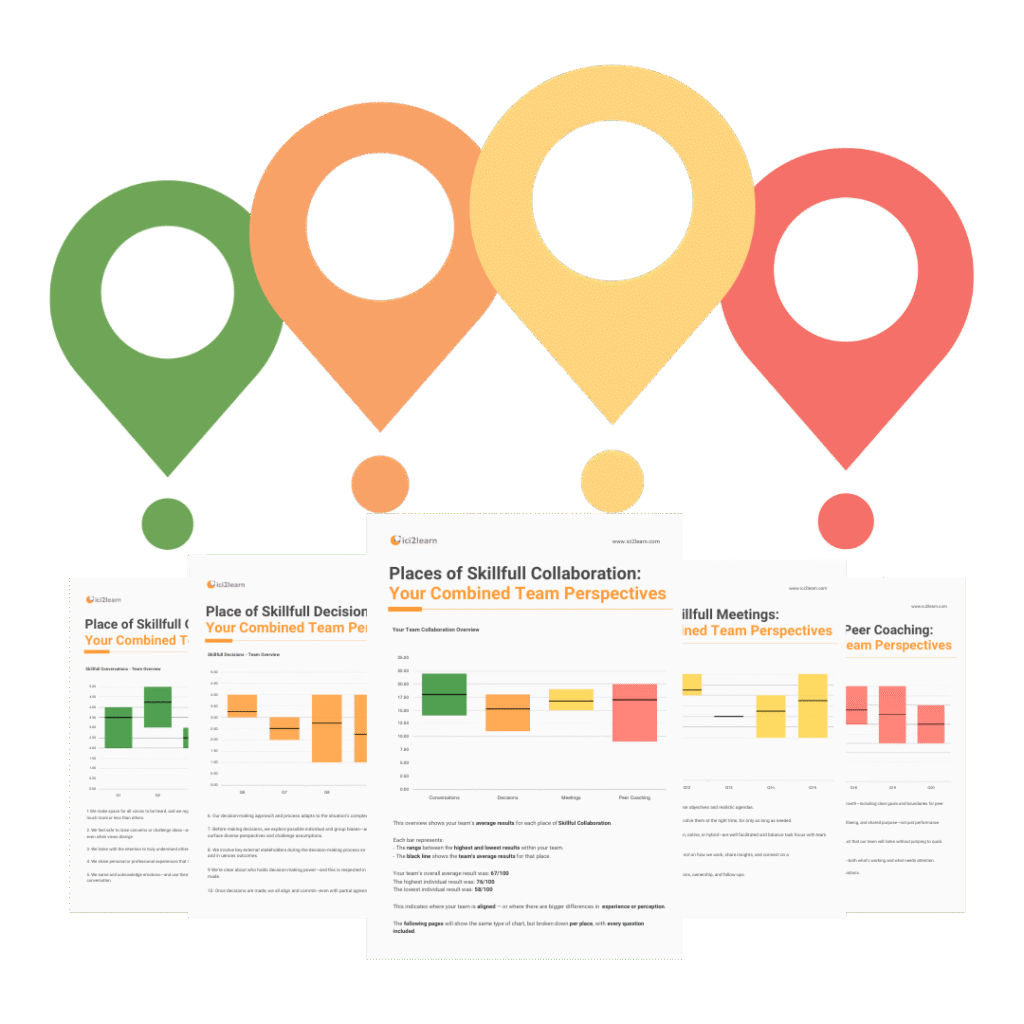
In our Team Assessment, you will find questions about how likely people are to say “No” in your conversations, decision-making, and meetings — and how you handle this as a team.
If you’d like to take the survey for free, here is the link.