Supporting Two Teams as They Navigate Growth and Change
Why this Matters
Key insight from a participant:
“It was brilliant to see everyone working together, sharing ideas, experiences and knowledge.”
When teams experience conflict, the temptation is often to focus on personalities and behaviours.
In reality, sustainable collaboration usually begins somewhere else: creating a shared understanding of why the team exists, what it is trying to achieve, and clarifying how people want to work together in their everyday interactions.
As organisations grow, the cultures and relationships that worked in the past often come under pressure. Teams can find themselves holding different assumptions about how work should be done, creating tensions that appear personal but are often rooted in organisational change.
Challenge
A Sales Team and a Finance Team within a fast-growing organisation were experiencing significant tensions both within their own teams and between the two departments. Workload demands, frustrations and different priorities were creating friction. Relationships had become strained and collaboration was becoming increasingly difficult.
The CEO and CFO wanted to rebuild a sense of togetherness, care and respect and create a more collaborative partnership between the two teams.
Approach
We began by creating space for reflection and honest conversation, focusing on the organisation’s history and the stories that had shaped the team culture.
By creating a 20 year timeline of the business and sharing experiences of “what it was like back then” compared to “what it is like today”, the teams began to recognise how rapid growth had influenced their ways of working. In the last ten years, the organisation had grown tenfold in revenue and the teams had expanded significantly.
This became a pivotal insight for the teams. Before addressing current tensions, people were able to recognise that many of today’s frustrations were connected to organisational growth and changing expectations rather than simply individual behaviours.
With this awareness, the teams explored an important question:
“What do we want to keep from the culture that helped us succeed, and what do we need to let go of?”
Only then did we turn our attention to a second question:
“Why does this team exist?”
Using the 6 Team Conditions framework, (acknowledgement : Ruth Wageman / Richard Hackman) each team developed a Compelling Purpose statement, clarifying what they existed to do, how they would achieve it and why it mattered to the organisation.
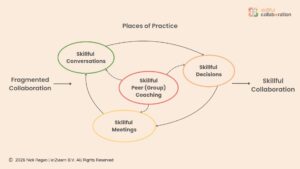
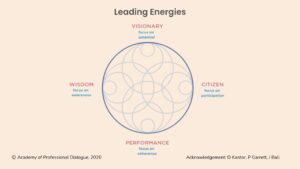
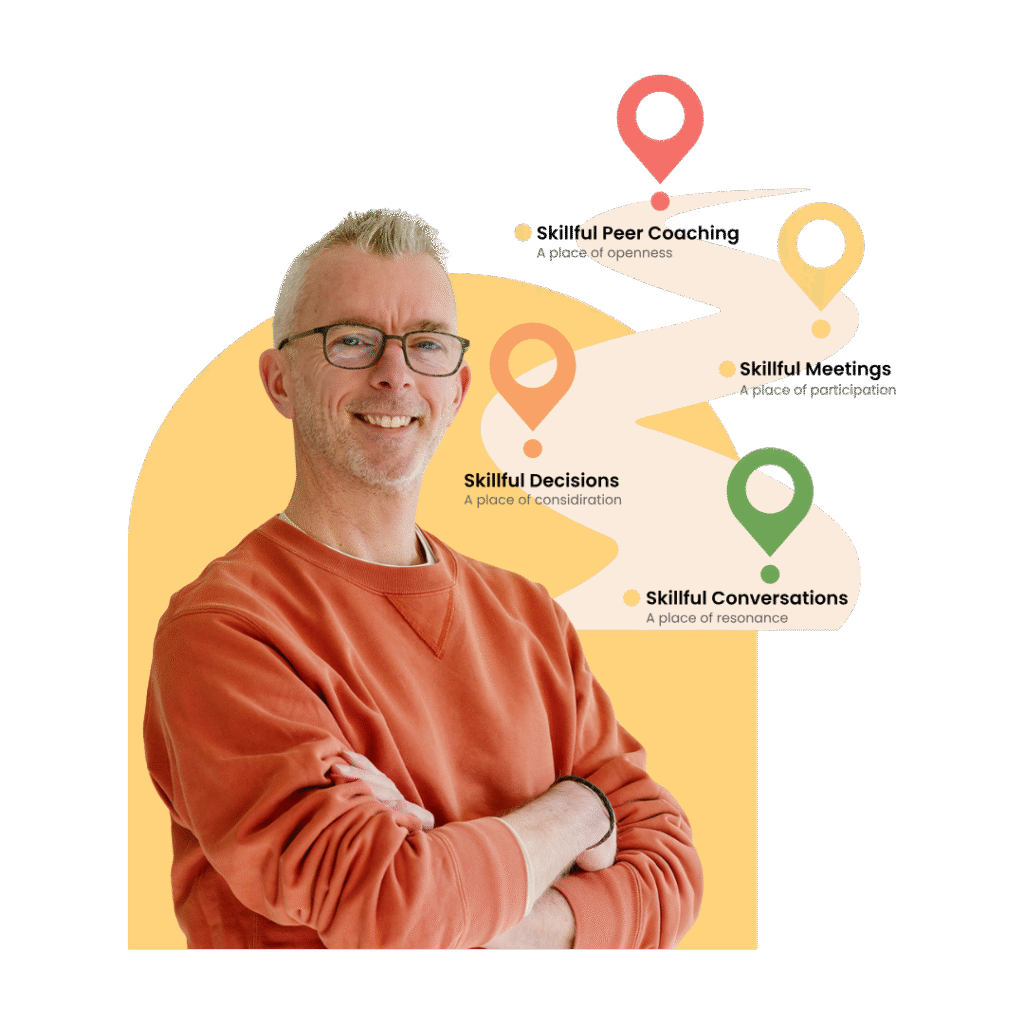
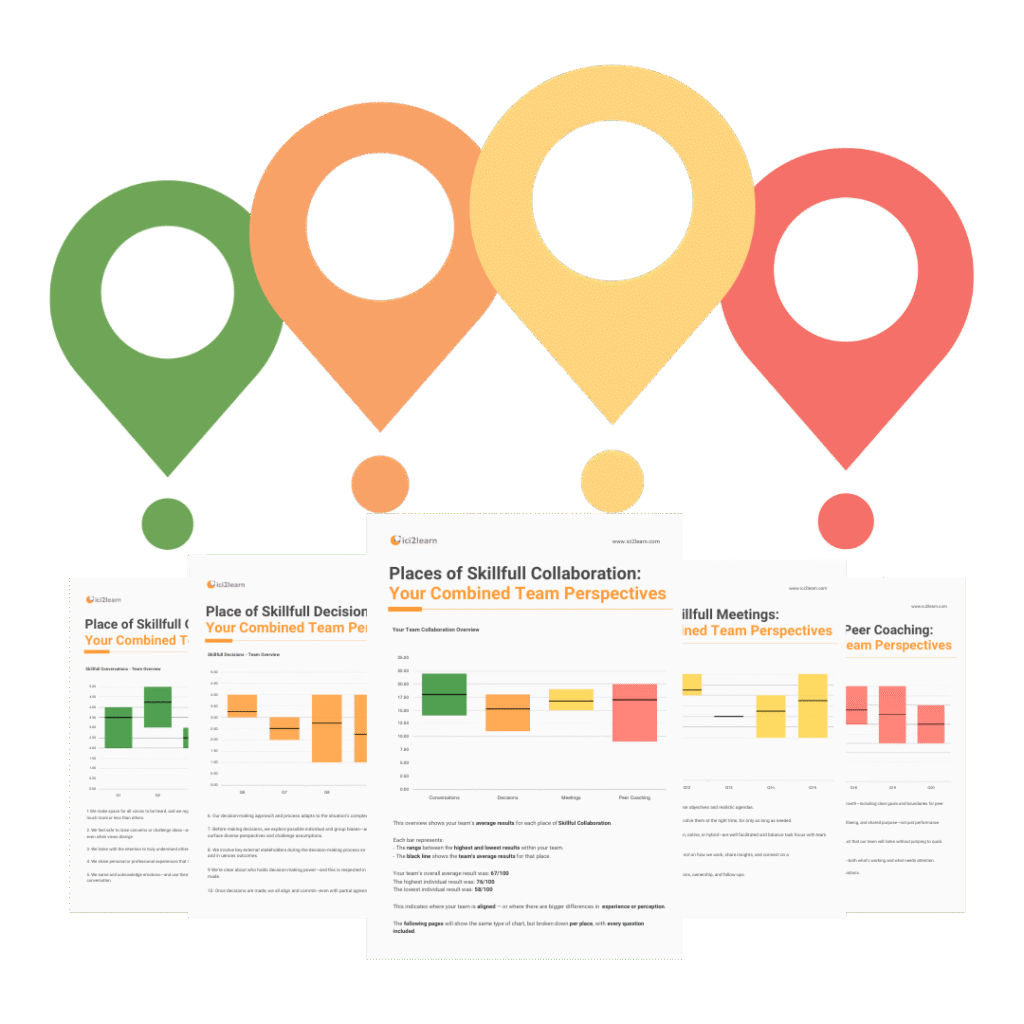
Once a clearer sense of purpose had emerged, we introduced the Skillful Collaboration framework and invited participants to practise different ways of talking and thinking together.
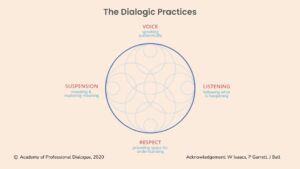
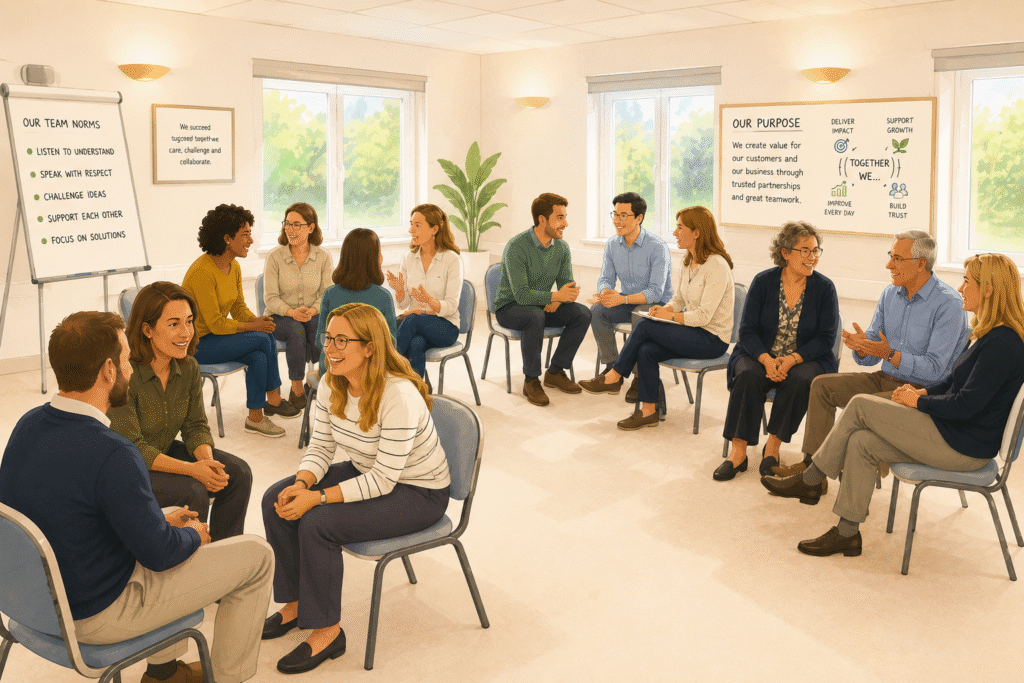
One activity that particularly resonated with the teams focused on Skillful Conversations and the Dialogic Actions model (Move, Follow / Oppose / Bystand). Through practical exercises, participants practised advocacy, inquiry, support and challenge while developing team norms that would guide how they wanted to work together and across the teams in the future.
The conversations gradually shifted from discussing problems to identifying opportunities and creating shared commitments.
Reflections
The workshops highlighted that many of the tensions between the teams were symptoms rather than root causes.
As team members clarified their purpose, explored different perspectives and engaged in more structured conversations, they began to better understand one another’s challenges, priorities and contributions.
The process also revealed that collaboration is a skill rather than a personality trait. Just as people develop expertise in sales, finance or leadership through practice, they can also develop the human skills of listening, inquiry, challenge, dialogue and partnership through deliberate practice.
Perhaps most importantly, the teams recognised that trust is not built through agreement alone. It grows when people feel heard, respected and able to contribute to shared goals.
Outcomes
Both teams developed clearer Compelling Purpose statements and created team norms to guide how they would work together moving forward.
The workshops created opportunities for people to share experiences, knowledge and perspectives that had previously remained unspoken. The teams also developed a shared understanding of how the organisation’s growth had influenced their culture, relationships and ways of working.
Leaders reported seeing greater openness, stronger collaboration and a more positive atmosphere within the teams. The teams left with practical agreements, renewed energy and a stronger commitment to working together.
What Made the Difference?
Rather than trying to solve conflict directly, the workshops focused on creating the conditions for collaboration.
By clarifying team purpose, exploring the organisation’s history, practising Skillful Conversations and agreeing how they wanted to work together, the teams shifted their attention from individual frustrations to shared goals.
This case illustrates a core principle of Skillful Collaboration:
Lasting collaboration rarely begins with fixing people. It begins with helping people create shared purpose, shared understanding and shared ways of working together.
Testimonial
Finance Leader : I am really proud of us as a team and of our Compelling Purpose and I’m excited to put into practice our team norms as well as everything else we have learnt.
Sales Leader : Thank you so much for the team development workshop, everyone who attended could see the beneficial aspects towards the objectives. We all genuinely appreciate your insights and expertise, which have provided us with a fresh insight.