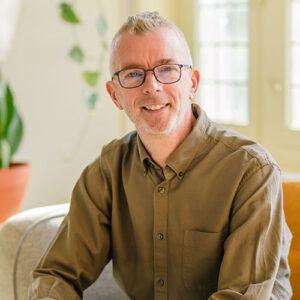
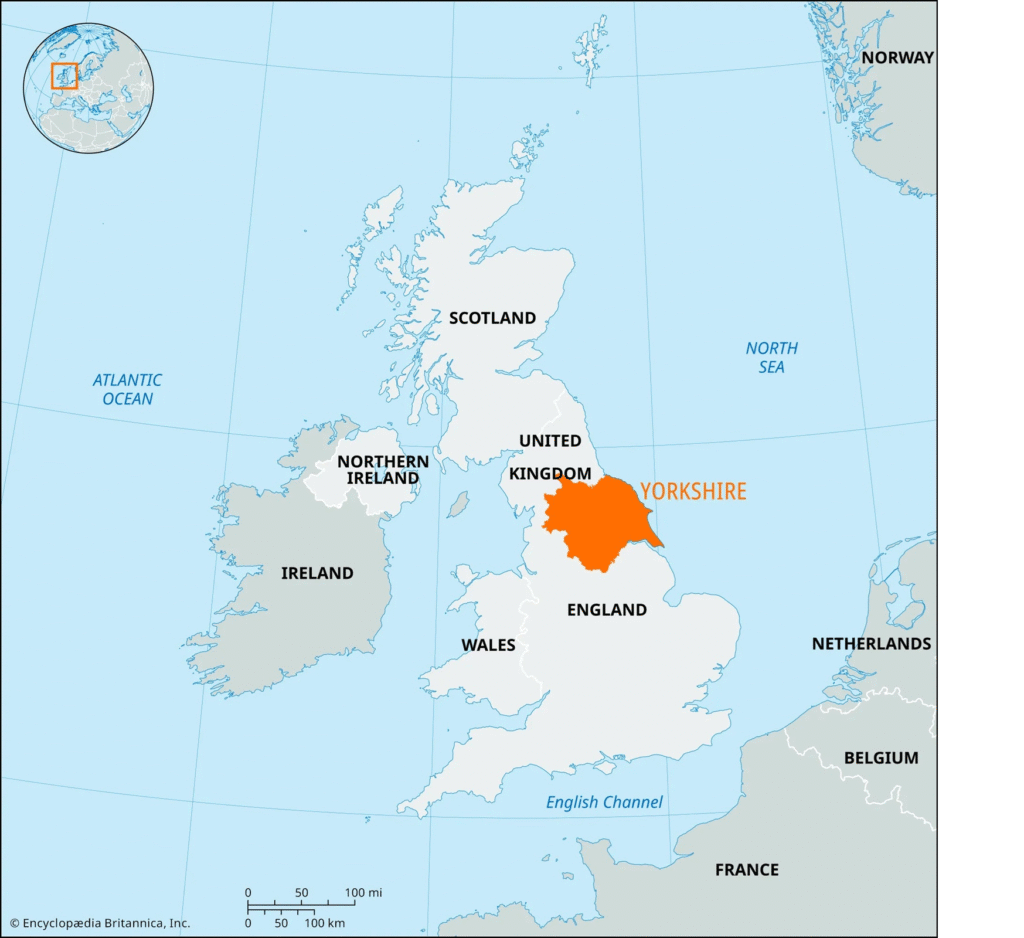
I was born and raised in Yorkshire, UK, and I’m a proud Yorkshireman.
In Yorkshire, we have such expressions as “Off t’ pub” (I’m going to the pub) and “reet chuffed” (I’m very happy). These two expressions are often combined: “Am off t’ pub an’ am reet chuffed abart it” (I’m going to the pub, and I’m very happy about it).
When I left home and went to university in Manchester, (40 km to the west of my home town,) I somehow made many friends from all around the UK. I say somehow because some friends had very little idea what I was actually saying… and many of my new friends were students of languages — and no, the language of Yorkshire wasn’t a degree program.
Languages are important in communication and especially in conversation.
Another expression I learned in Yorkshire is “Am grand,” which literally means “I’m grand,” but can be translated to “I’m fine.” Apologies to the emotionally intelligent Yorkshire folk out there, but am grand was just about the only emotional language I learned in Yorkshire. Things had to become very, very emotionally dark before we would reply with “Not grand” when asked “Ow ye doin’, ar kid?” (How are you doing?). I don’t think we had a sentence for How are you feeling?
So yes, later I learned that we humans — including those in Yorkshire — do have the possibility of ‘feeling’ and using words for many emotions… and indeed, these can be so very valuable. If everything is said to be grand or very occasionally not grand, then we’re damping — or not allowing so many feelings . And therefore closing ourselves from so much information that could guide us to more colour and choice than this grey, two-option palette.
What we folks from Yorkshire are very good at is Action. We speak a language of action — such as “Off t’ pub” — but also the Yorkshire grit of getting things done and pushing ourselves further. This has led to such facts as: if Yorkshire were a country in the 2012 Summer Olympics, its 12 medals (including 7 golds) would have put it 12th on the medal table. Actions lead to performance in sport, life and in organizations.
And then there is Meaning. What does it all mean? This too is a type of language that’s minimally used in Yorkshire. In the past, it has been decided (by Yorkshiremen) that Yorkshire can also be called “God’s own country.” So conversations about what it all means often end up there — as if we could end such a conversation with a simple statement: Well, we’re God’s own country. So that is that.
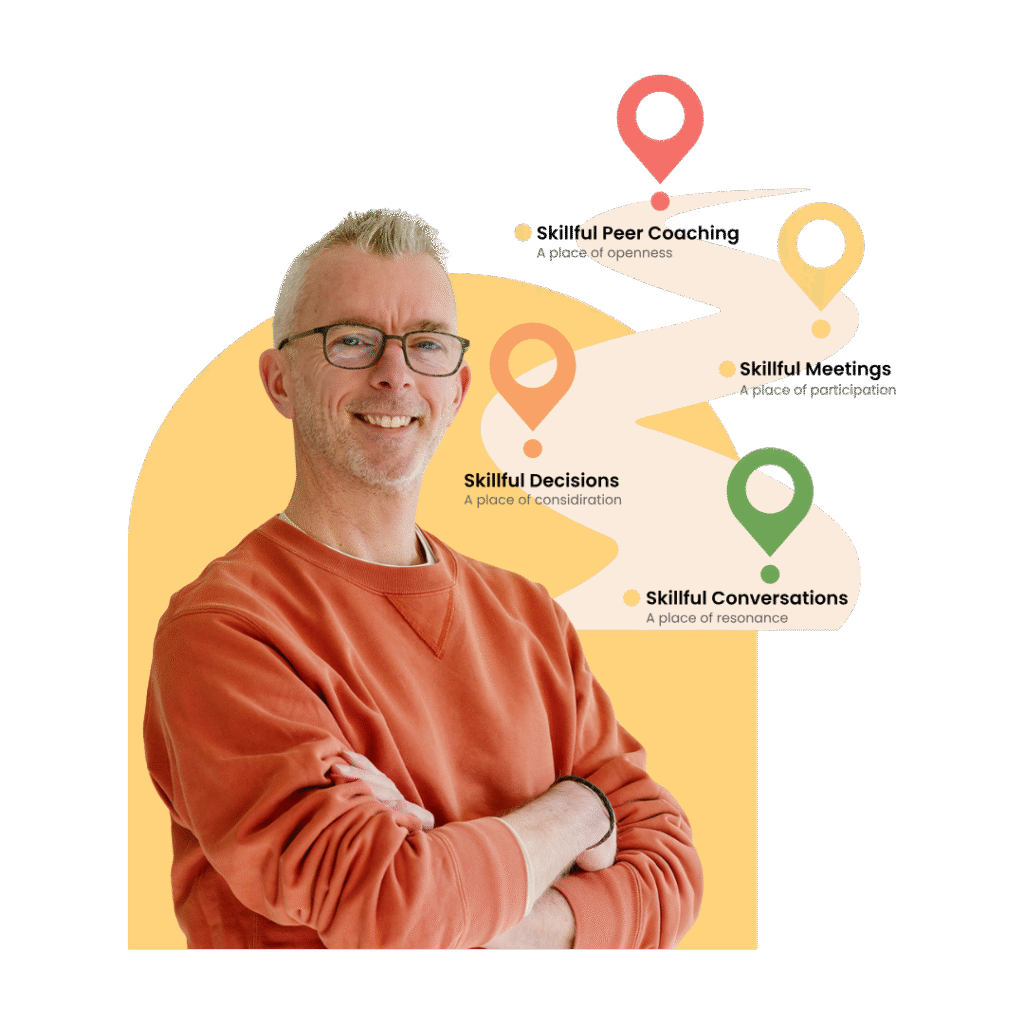
In Skillful Conversations, I love to observe and influence the dynamics of these three languages (they are called Dialogic Languages by my colleagues Peter Garrett and Jane Ball from the Academy of Professional Dialogue Practitioners). How often do we see teams completely focused on Action — even teams without Yorkshire team members? How often do we see someone raise an emotional point, only for it to be completely ignored in our desire for performance? And when, oh when, will teams make space to dialogue about Meaning? For example on subjects such as: What is leadership? How can we learn together? What do our customers actually value?
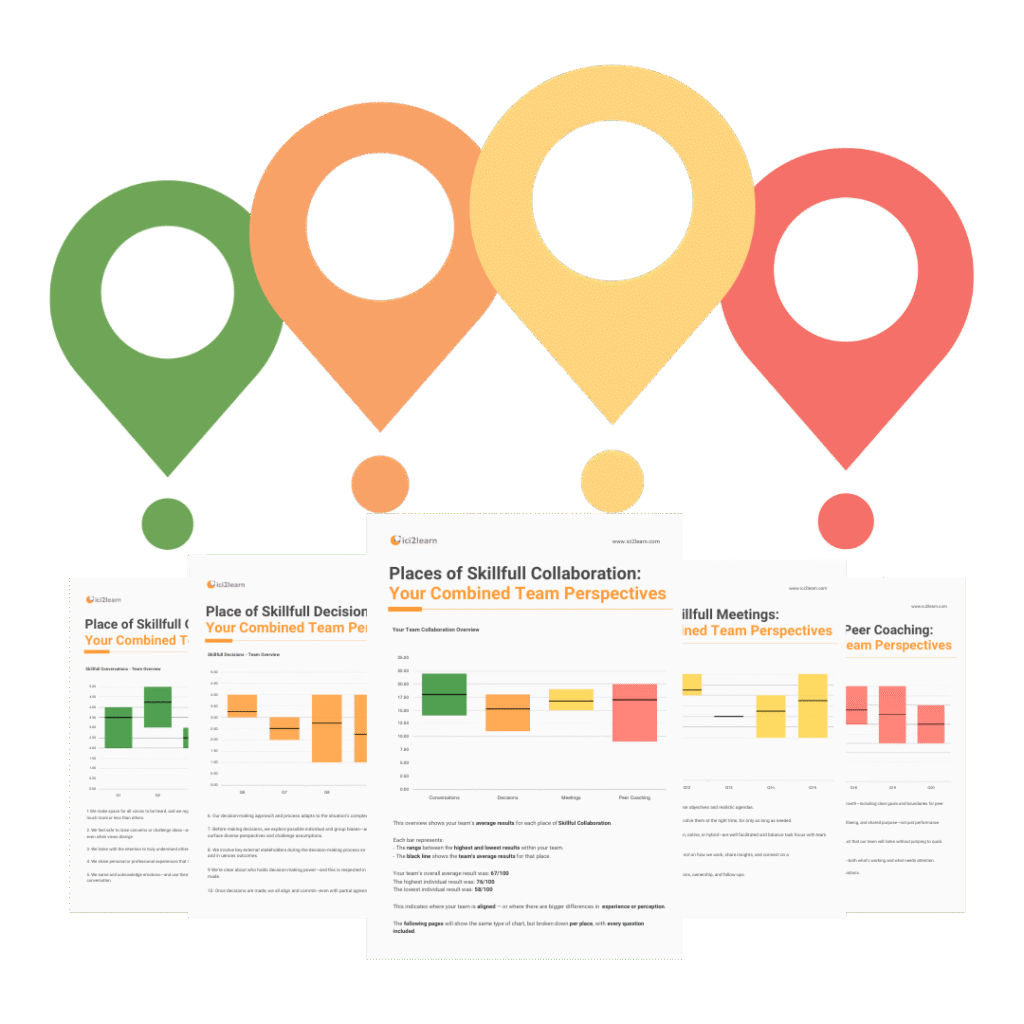
In the Skillful Collaboration framework, we practice the skills of building these languages — Emotions, Actions, and Meaning. This opens up connection between people so that they can also learn other languages. For example, in cross-functional organizations: how can the engineer converse with the purchasing team member? How can quality understand the timing language of the project manager? And how can sales hear input from marketing?
Learning these languages is a joy.
I left Yorkshire many years ago, and now I speak English (this is a joke), French (this is true, because I somehow met and married a French lady who could vaguely understand my English,,, and she’s very patient), and Dutch (we moved here 25 years ago, and I learnt this from my 3 boys.)
I also speak Emotions, Actions, and Meaning — And I speak and train these mixed with cross-functional, cross-regional, cross-team, cross-silo, and cross-organizational languages when I’m working with clients using the Skillful Collaboration assessments, debriefs, and masterclasses.
Which languages do you speak — and how fluently..?