A Time for Skills Development
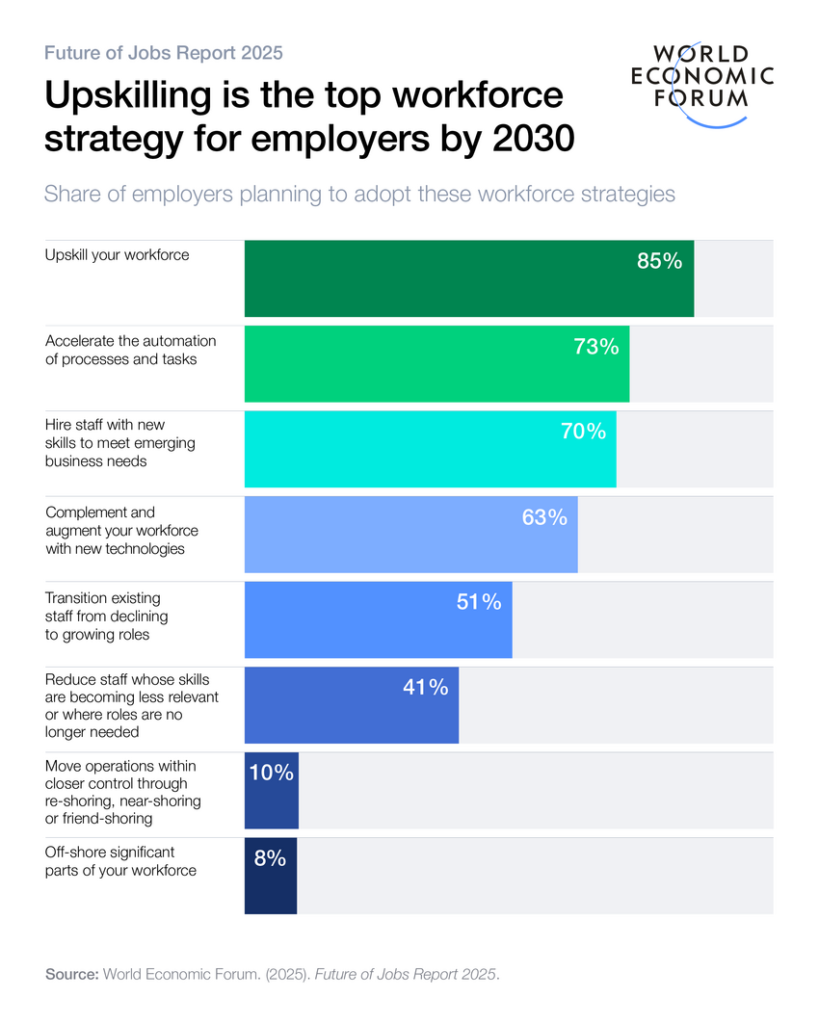
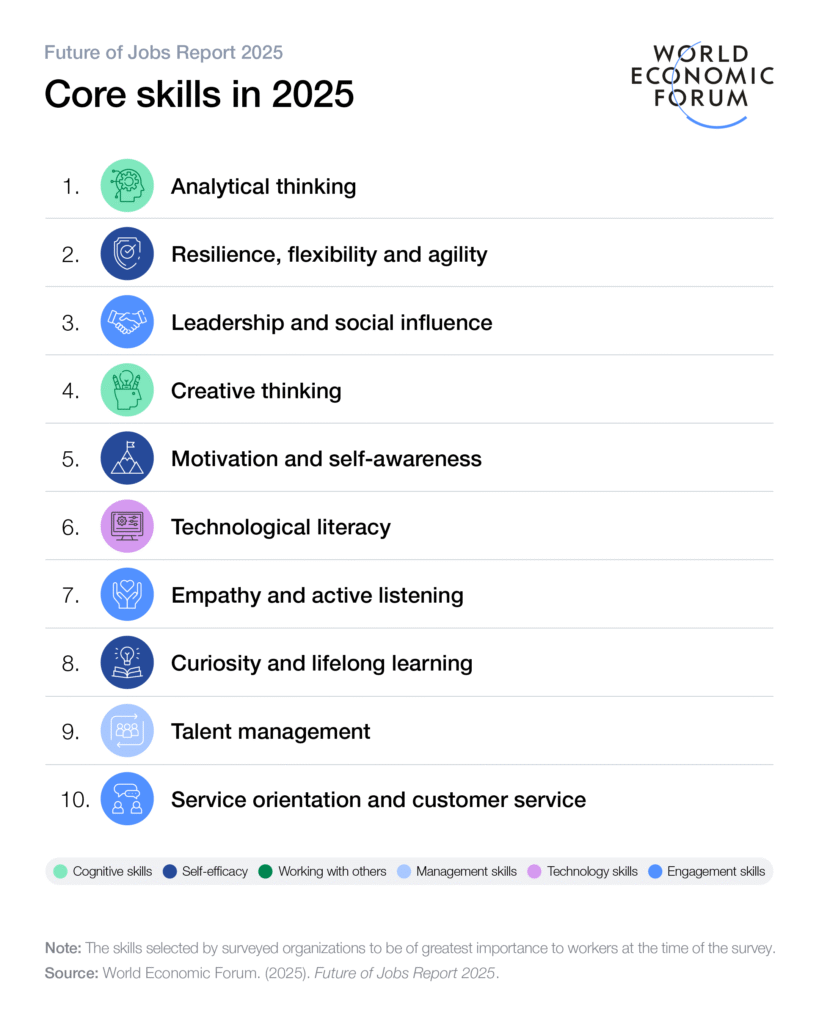
It is widely recognised that Upskilling our workforce is one of the major strategies for employers. Organizations and their leaders and employees are navigating an ever most complex and uncertain geo-pollitical and environmental context at a time of great technological advancement with AI. The WEF Future of Jobs report shows this clearly along with it’s snapshot images of how human skills such as Creative Thinking / Resilience / Curiosity / Leadership / Analytical Thinking remain equally import alongside the emerging skills related to AI.
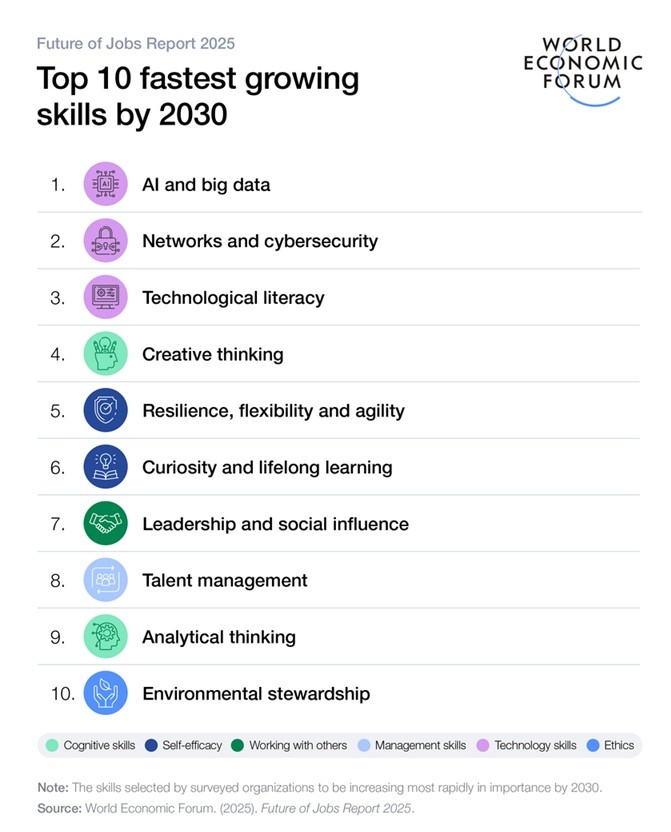
Alongside this theme of Upskilling, there is also a focus on Re-Skilling. In many organizations, often due to AI technology advancement some jobs are becoming redundant so there is a need to focus on Re-skilling of employees so as not to lose the talented and loyal individuals available in organizations.
And further, to add another term into the terms about ‘skills’ mix, we have seen recently the emergence of Skills Based Organizations. Where whole companies are being re-imagined and re-organized around the capabilities / skills that people possess or can develop, rather than their job titles or roles.
We are in a time of Upskilling / Reskilling especially as we head towards Skills Base Organizations. This is a time of significant challenge and opportunities, learning and development for individuals and for organizations.
What are Skills?
So, it seems like a time to take a good look at the word Skill and what does it mean.
I love the definition of Theo Dawson “A skill is anything that can be developed through practice.”
This speaks to me as there is an element / focus of doing when practicing and I have experienced throughout my career that we / people ‘learn by doing’.
Additionally, I’d throw into a skills definition the words ‘intentional’ and also ‘reflection’. I’ve seen too many people ‘practicing’ something and not improving or becoming more skilled over time. So the intention to improve and the reflection needed to look at the practice is important to become skillful. This seems to be aligned with the Brazilian educator / philosopher Paulo Freire who’s term Praxis, highlights the need for improvement coming from ‘reflective practice to be undertaken with others in pursuit of meaningful action.
Therefore I end up at a definition of “A skill is anything that can be developed through intentional practice and reflection.”
As we intentionally practice and reflect, we develop our skills and may at some time become skillful. By skillful I simply mean the ability to do something well.
So having looked at this, let’s go back to the Human skills that organizations need to develop.
In 2025 and 2030, the skills that recur are Creative Thinking / Resilience, flexibility and agility / Curiosity and Lifelong Learning / Leadership and social influence / Analytical Thinking. And the skills of Empathy and Active Listening / Self Awareness and Motivation / Service Orientation are out of the top 10, but still relevant / steady skills when looking at the below chart. On this chart, Systems Thinking also emerges as increasingly important.
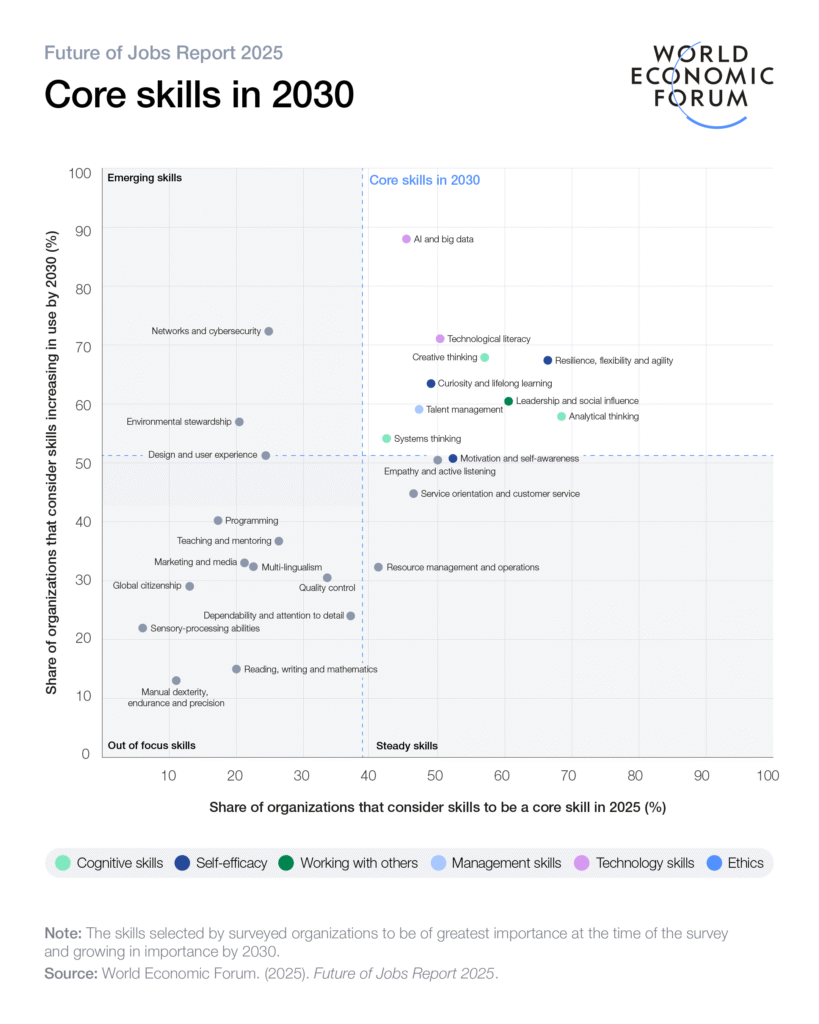
So how can organizations ‘develop’ these essential skills?
Skills Based Organization Approach
Well the Skills based organizations seem to be heading towards the idea of ‘practice’ as their people learn by doing / they work on their and everyday issues i.e. where their skills are required and can be practiced.
Let’s take for example a production line in a car assembly plant. What skills may be defined there in a skills based organization:
The workforce / individual skills required
A modern automotive assembly line might require capabilities such as:
Technical skills
- Operating assembly equipment design
- Robot programming
- PLC troubleshooting
- Torque tool operation
- Quality inspection
- Statistical process control
- Lean manufacturing
- TPM (Total Productive Maintenance)
- Safety procedures
- Materials handling
Cognitive skills
- Analytical thinking
- Root cause analysis
- Systems thinking
- Decision making
- Prioritization
- Creative Thinking
Interpersonal skills
- Communication
- Empathy and Active listening
- Giving and receiving feedback
- Conflict management
- Leadership
- Coaching
Self-management
- Resilience
- Adaptability
- Attention to detail
- Continuous learning
- Initiative
When looking at this example from a business perspective we can imagine the people working in this assembly plant may be ‘practicing’ each day on the job, but how can they be supported to improve their skills. How can the Operations Director Upskill or even Re-Skill his or her team as the opportunities to use AI becomes more available?
Typical Approaches to Upskilling
When I read the WEF report and consider the organizational skills I often think they are focused on the individual. With the idea, what skills do our people / individuals need in order for the organization to become a successful organization. i.e. If our people are skillful at this, then we can become a more successful business.
An simple example of this can be Leadership Development. Most organizations, may look at this WEF report and think that their Leadership Development programs need tweaking to ensure that they include the topics / skills high on the list. This would definitely tick the relevant boxes for the ‘Leaders’.
For everyone else. Other employees it can be typical to focus on some cognitive skills training e.g. problem solving and inter personal skills training e.g. active listening training. The L&D catalogues are full of face to face, blended and virtual learnings so that each learner can find the topic that is most aligned to their goals or the goals that they’ve been guided towards by their boss.
This approach can be viewed as learner-centric and aligned to the Upskilling strategy.
However, we know that with many learning or training approaches to development, the knowledge or experiences get ‘learnt’ during the training session, but when the individuals return to work, often they don’t apply what they have learnt so it gets lost, or they meet resistance to their new learnings, so ditch their efforts to actually apply and practice it further.
This is a problem that is often termed the knowing v doing gap. People learn some knowledge, so the know something, but to develop the skill they need to apply their knowledge, intentionally practice and reflect to improve it. But when they have learnt as individuals, this upskilling is difficult for the reasons mentioned.
Here’s where learning in teams offers a potential solution:
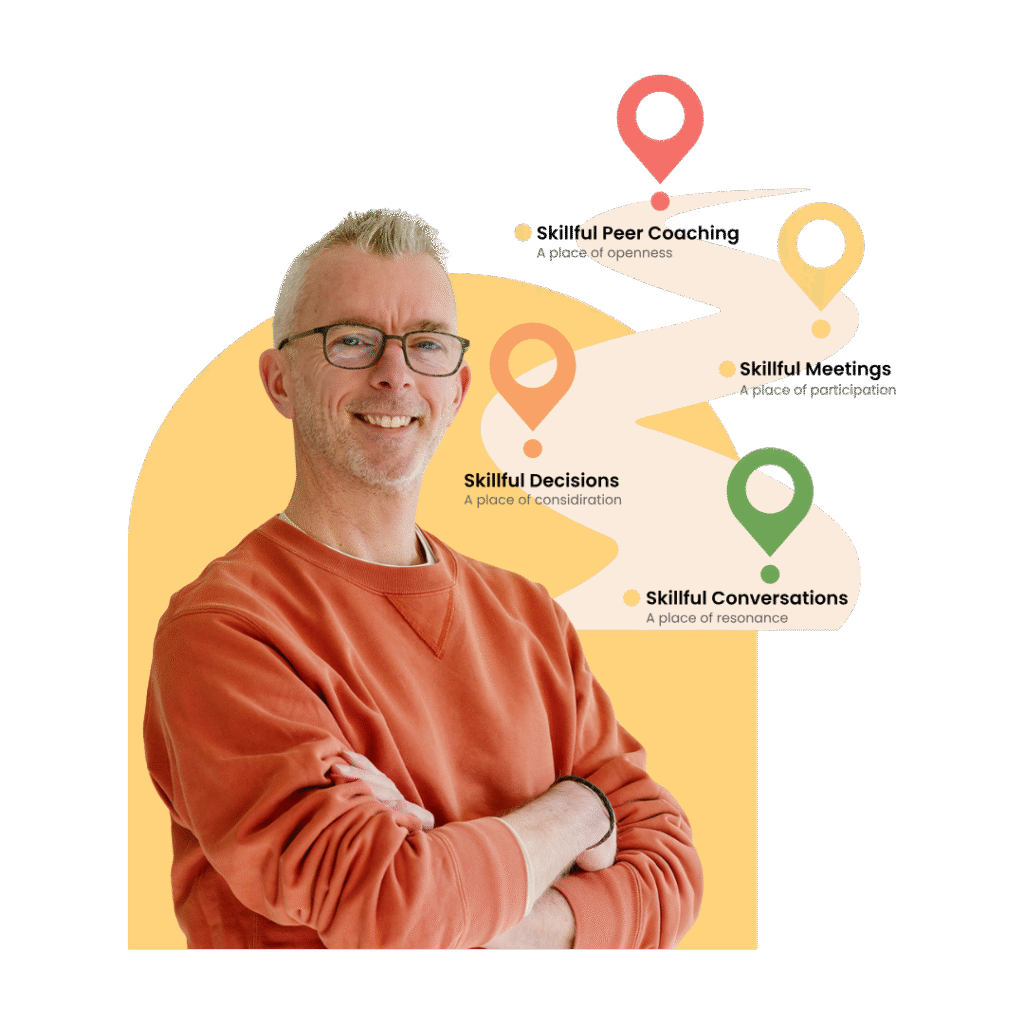
Skillful Collaboration:
A team skills development. Learning approach.
Collaboration comes from the Latin word Colabore, with Col meaning together and labore meaning to work.
So collaboration simply means to work together.
When looking at the WEF report and the skills that organizations need from their employees, I miss the skill of ‘collaboration’.
In fact we can deduce that working together requires many of the skills needed to keep the above assembly line working. Often it’s not one person who would be working on a production line issues, we would traditionally have assembly operators, manufacturing engineers, mechatronics engineers, process engineers, product engineers, quality engineers, etc. Often these people are part of a cross functional team. They each bring their technical skills, cognitive skills and experience to dive into the issue or challenge at hand as they work together / collaborate to solve the issue.
The question is do they collaborate skillfully? And maybe what human skills do they actually need to collaborate?
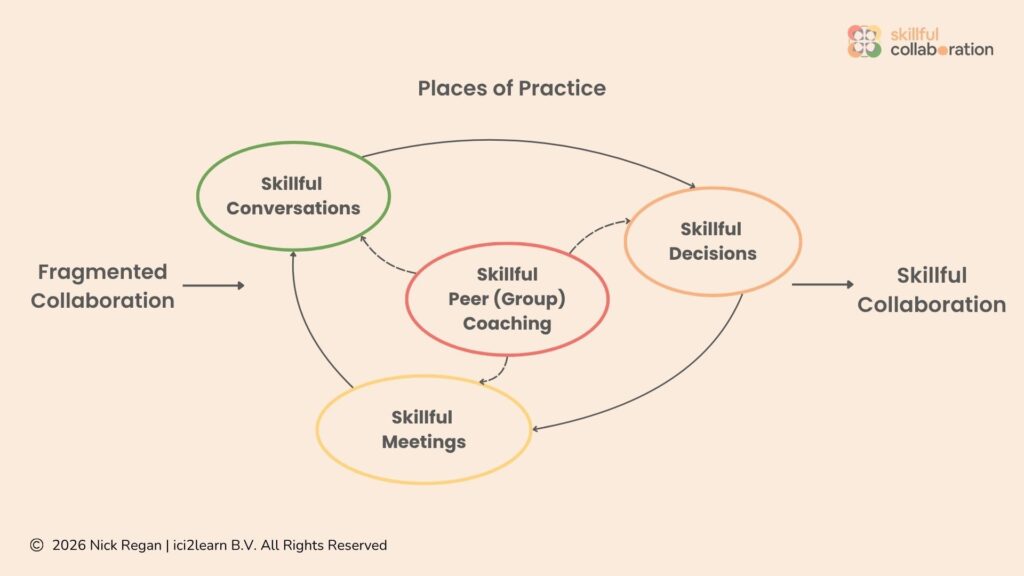
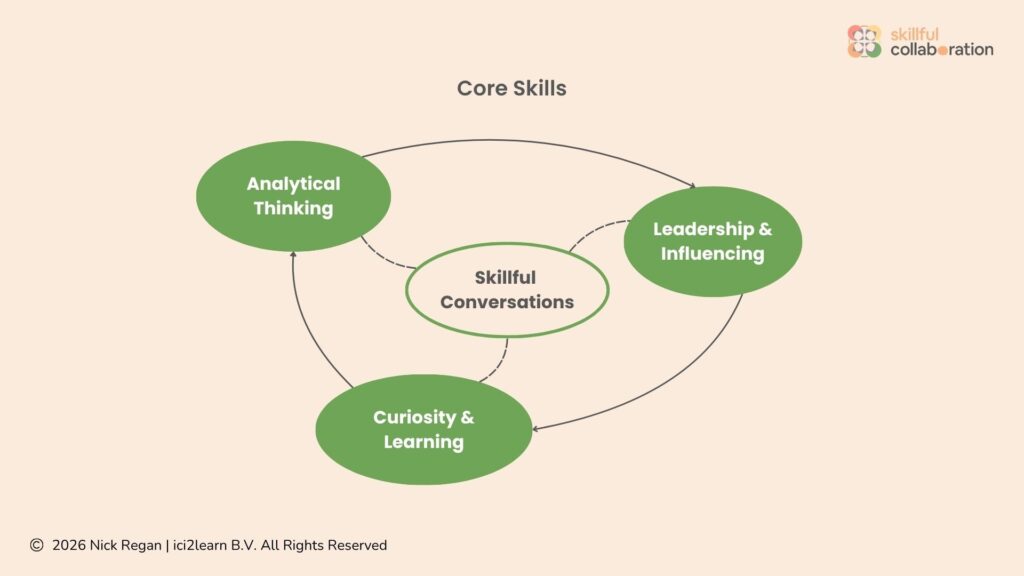
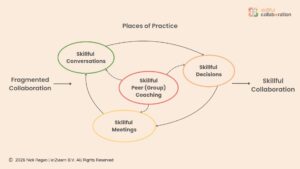
My suggestion is that every team need to have skillful conversations, this is a mode of talking and thinking together, and it allows teams of people to move from their habitual patterns of conversation to become skillful. The WEF skills shown here may be:
- Analytical thinking : breaking down complex information, identifying patterns, and making evidence-based decisions.
- Speaking Up (Leadership) and Influencing : guiding and inspiring others towards shared goals.
- Curiosity & Learning : continuously inquiring and proactively acquiring new knowledge and skills.
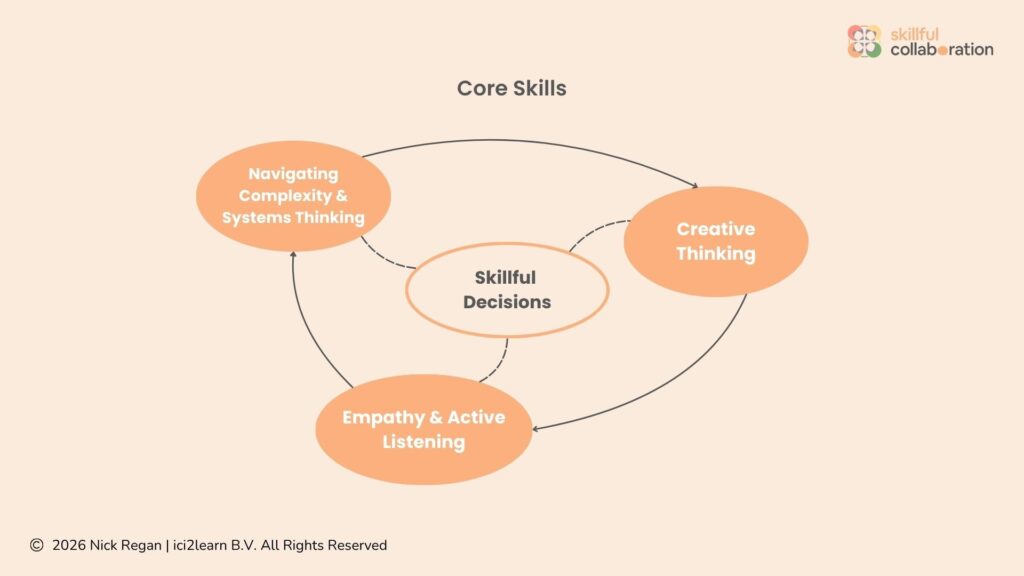
And when teams have learnt together and practiced Skillful Conversations, they can also learn together and practice Skillful Decisions, which cover the following WEF skills:
- Navigating Complexity & Systems Thinking : Understanding interconnected systems and solving complex challenges effectively.
- Creative Thinking : generating novel ideas, approaches, or solutions.
- Empathy & Active Listening : connecting with others’ perspectives and emotions, and responding thoughtfully.
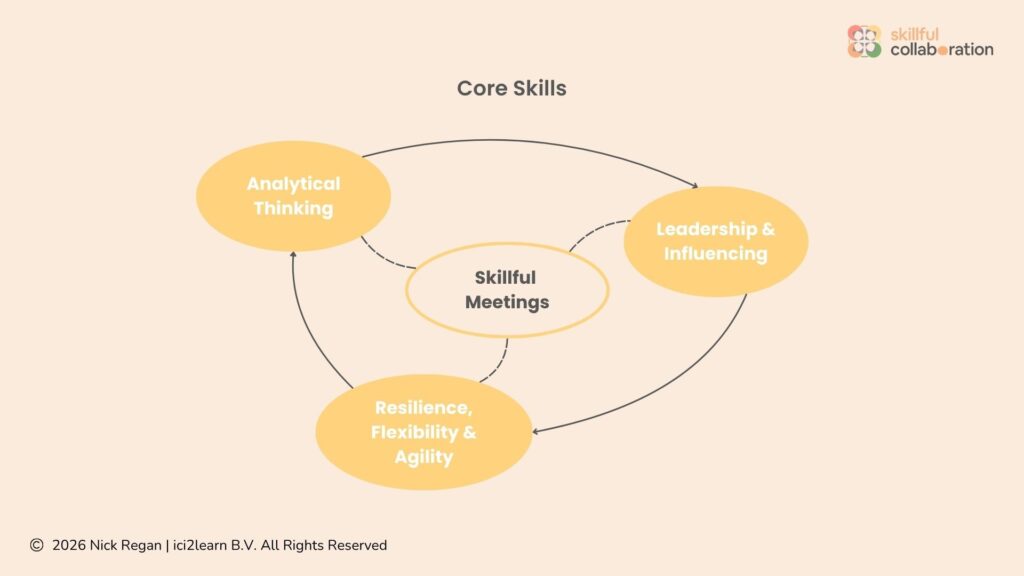
Further, they can learn to bring these following skills / practices into their Skillful Meetings :
- Analytical Thinking : breaking down complex information, identifying patterns, and making evidence-based decisions.
- Speaking Up (Leadership) & Influencing : guiding and inspiring others towards shared goals.
- Flexibility & Agility : adapting and remaining effective amid change, uncertainty, or setbacks.
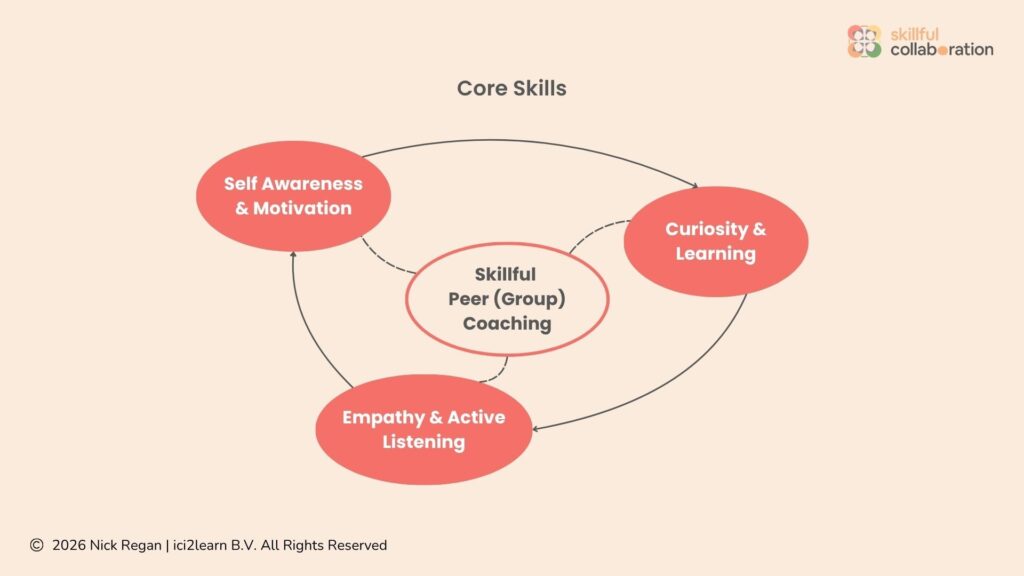
And finally to improve the above 3 places of practicing they can develop the skills of peer coaching and peer group coaching:
- Self-Awareness & Motivation : understanding personal strengths/limits, regulating one’s behaviour, and remaining focused on shared goals
- Curiosity & Learning : continuously inquiring and proactively acquiring new knowledge and skills.
- Empathy & Active Listening : connecting with others’ perspectives and emotions, and responding thoughtfully.
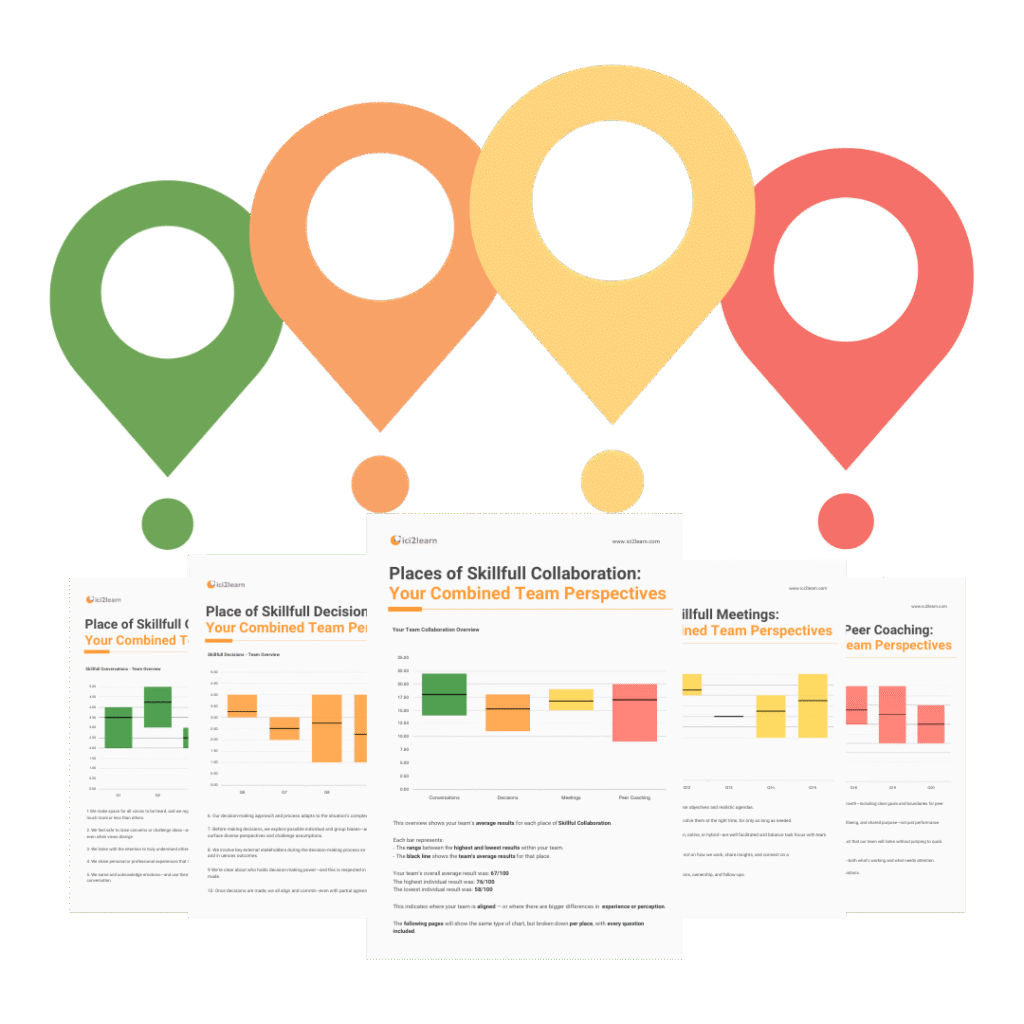
So you see many of these individual skills can actually be practiced in the everyday team / human interactions of conversations, decision making and meeting, and each improved through peer coaching and peer group coaching.
Additionally we experience that when teams learn together, they also have the chance to make commitments together so that back in the office or back on the production line, they can also apply their learning and hold each other accountable to their commitments.
This is the power of learning in teams and this is the power of learning these WEF individual skills and becoming skillful at them together through everyday interactions and collaboration!!
This is Skillful Collaboration. Because the future of work won’t be shaped by skilled individuals alone. It will be shaped by teams that have learnt how to collaborate skillfully together.
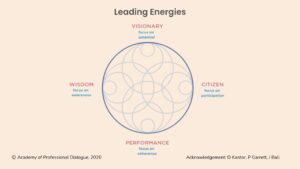
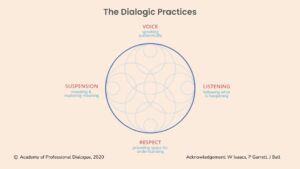
And here are the relevant images for referencing the models.