If you lead a team in a matrix organization — whether that’s a department or a cross-functional team — You’ll know the feeling: some parts of the organization are just stronger than others.
Maybe the CEO built their career in procurement or supply chain, leaving behind a department that now treats cost-cutting as its primary business driver.
Or perhaps the founder was the most resilient salesperson in the industry — someone who kept knocking on doors no matter how many times they heard “no.” That mindset can create a sales-driven culture that permeates the entire organization.
Or maybe it’s a technical or engineering leader — someone who started on the factory floor, rose through the ranks, and eventually became the global CTO. When customers had a problem, they were the one who always found a creative solution. That spirit spread throughout the R&D teams.
These kinds of people shape culture. And as businesses grow and evolve into matrix organizations, those departmental cultures can harden into silos — each one vying for influence, each one believing they’re more vital to the business than the next.
If you’ve worked in a matrix organization (I have — for 25 years), you know the reality.
The Matrix in Action
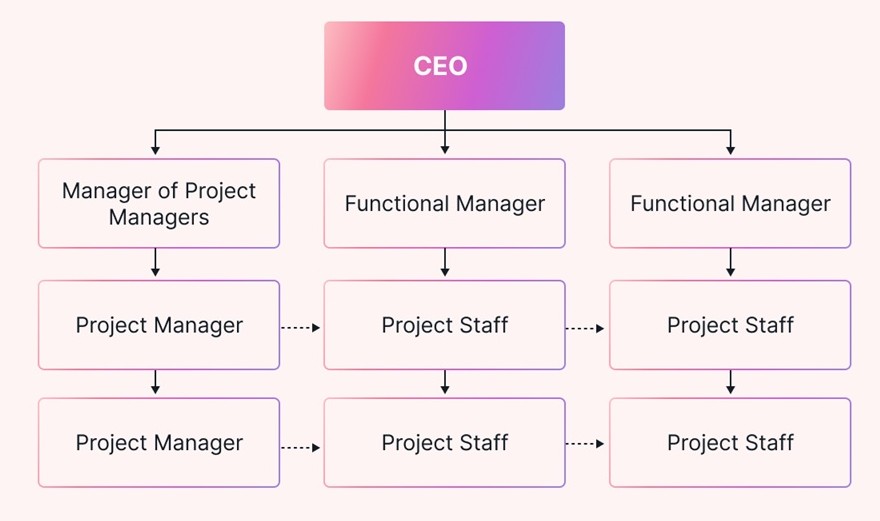
To bridge those silos, we often create cross-functional project teams, typically led by a Project Manager.
Ideally, they’re a neutral party — but that depends on where they came from, who they report to, and which team they feel most loyal to. These unseen dynamics can create huge biases.
So there it is — our best invention so far for making the matrix work: a Project Manager leading a group of people who don’t report to them, trying to deliver results with team members who are still managed by their department heads.
It’s complex. And it gets messier when team members are assigned to multiple teams, reporting to multiple project managers, each with their own priorities.
This is our everyday reality in matrix organizations.
- How do we align priorities?
- How do we make decisions?
- How do we stop drowning in meetings?
- How do we avoid the spiral of blame and frustration?
What We Need Now: Skillful Collaboration
Matrix organizations need more than good intentions — they need skillful collaboration.
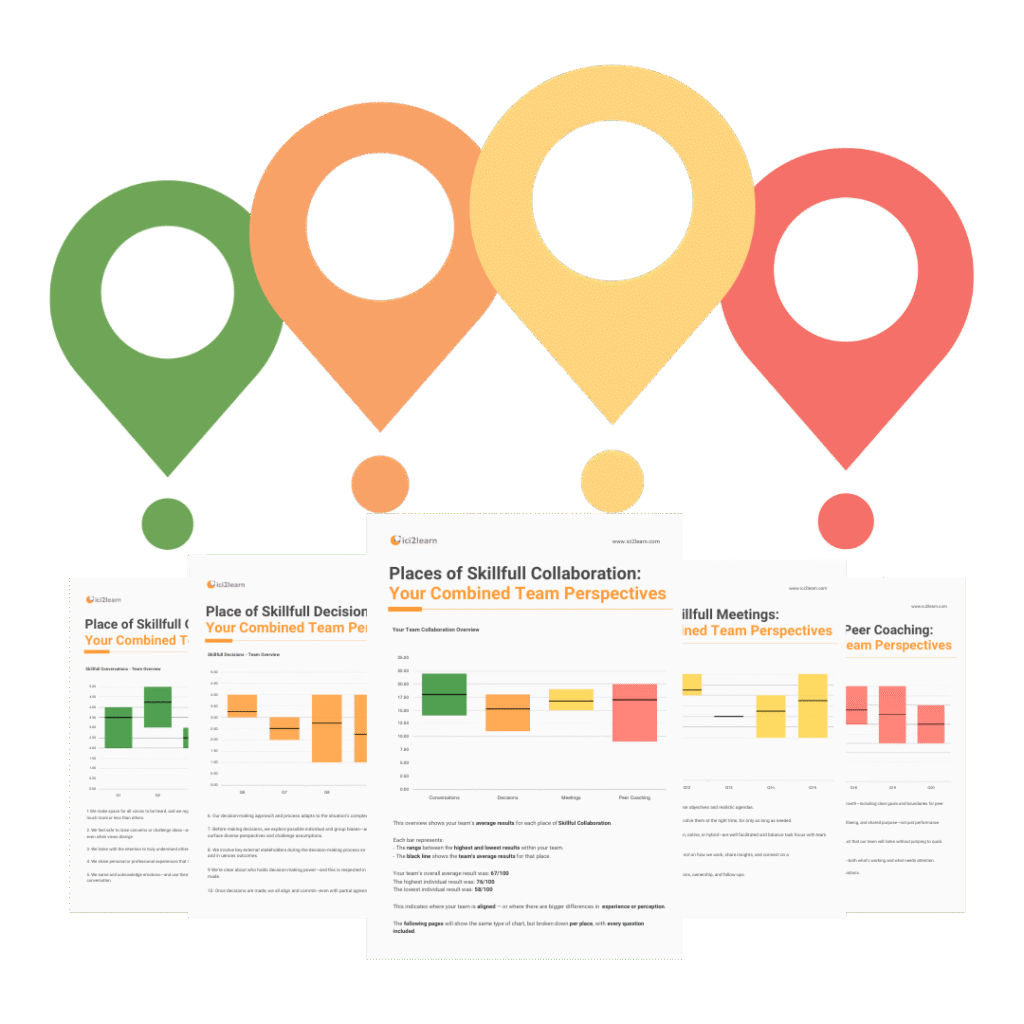
This is where our framework and assessment come in. It gives your team a clear snapshot of how well they’re actually collaborating, and where the real developmental opportunities are.
It helps teams shift from being pulled in every direction… to building the skills that improve connection, clarity, and performance.
If you’d like to try the Skillful Collaboration Assessment, check out the link here.